
Summer on Long Island brings a special kind of joy: sun-drenched beaches, backyard BBQs, and long strolls through our beautiful parks. But for our furry companions, the rising temperatures and humidity also bring unique challenges to their coat health. As professional groomers, we often encounter misconceptions about summer coat care that can inadvertently lead to discomfort for your dog. We want to empower Long Island dog owners with the knowledge to ensure their beloved pets stay cool, comfortable, and healthy all season long.
The truth is, effective summer grooming is far more nuanced than just giving your dog a “buzz cut.” It’s about understanding their unique coat type, protecting them from the elements, and maintaining overall hygiene in a way that truly benefits their well-being in our Long Island climate. Let’s dive into what groomers wish every client knew about keeping their dog’s coat in prime condition when the mercury rises.
The Dangers of Shaving Double Coats in Summer (and on Long Island)
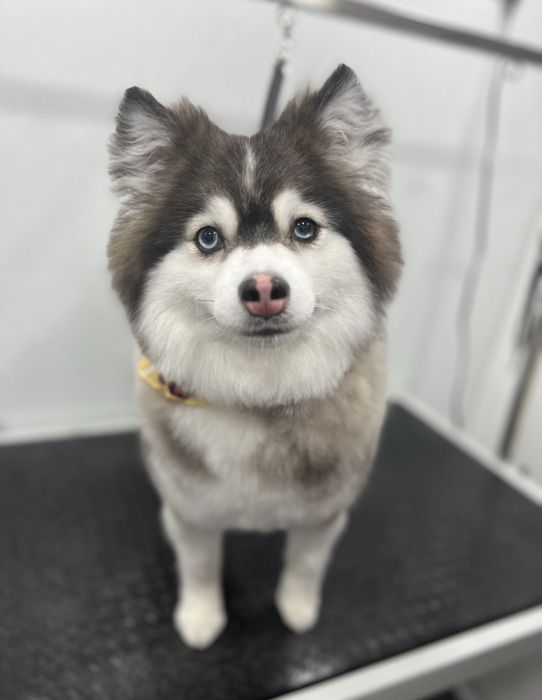
One of the most common requests we receive as the weather warms up is to completely shave down a dog with a double coat. While the intention is good – to help the dog stay cooler – this practice can actually do more harm than good, especially in our humid Long Island environment. Breeds like Golden Retrievers, Labrador Retrievers, Huskies, German Shepherds, Bernese Mountain Dogs, and Pomeranians all possess double coats.
A double coat consists of two layers: a soft, dense undercoat that provides insulation, and a tougher, longer outer layer (guard hairs) that protects against the sun, dirt, and moisture. Think of it like your dog’s natural air conditioning system. The undercoat traps air, creating a thermal barrier that keeps them warm in winter and cool in summer. The guard hairs reflect sunlight and provide a protective shield against UV rays and insect bites.
When you shave a double-coated dog, you remove both layers, disrupting this natural system. Without the guard hairs, their skin is directly exposed to the intense Long Island sun, increasing the risk of sunburn and even skin cancer. Without the insulating undercoat, their body struggles to regulate temperature, making them more susceptible to overheating, not less. Furthermore, shaving can permanently damage the coat, leading to patchy, uneven, and sometimes coarse regrowth that never quite looks or functions the same.
Instead of shaving, the professional recommendation for double-coated breeds is a thorough deshedding treatment. This process removes the loose, dead undercoat, allowing for better air circulation close to the skin while preserving the protective guard hairs. This is the most effective way to help your double-coated dog manage the heat and humidity of a Long Island summer.
Beyond the Brush: Essential Summer Grooming Practices
While regular brushing is always important, summer demands a more comprehensive approach to grooming. The unique conditions we experience here on Long Island—from sandy beach outings to pollen-heavy breezes and general outdoor activity—mean your dog’s hygiene needs are elevated.
-
Bathing Frequency and Products: Your dog might need baths more often in the summer due to increased exposure to dirt, sand, salt water, and allergens. If your dog loves a dip in the Long Island Sound or a local lake, a rinse followed by a bath with a hydrating shampoo and conditioner can prevent skin irritation and dryness. Always use dog-specific products, as human shampoos can strip their natural oils and upset their skin’s pH balance.
-
Paw Care: Hot pavement is a serious concern on Long Island sidewalks and roads. Keep the hair between your dog’s paw pads trimmed short to prevent matting, which can trap heat, dirt, and debris. This also makes it easier to inspect their pads for burns, cuts, or irritation after walks. Consider using paw balm to protect and moisturize their pads.
-
Ear Cleaning: With more swimming and humid conditions, ear infections become a higher risk. Regularly check your dog’s ears for redness, odor, or discharge. Gently clean them with a veterinarian-approved ear cleaner, especially after water activities, to prevent moisture buildup that
