
As the days grow longer and the scent of salt air fills the breeze, Long Island springs to life, and so do our beloved canine companions. Summer on Long Island means beach trips, backyard barbecues, strolls through local parks, and enjoying every bit of the sunny weather. But with all the fun comes a unique set of challenges for your dog’s coat and skin. The combination of increased humidity, saltwater exposure, sand, pollen, and hotter temperatures can turn a beautiful coat into a matted, itchy, or unhealthy mess if not properly managed.
Just like we adjust our wardrobe and skincare routine for the season, our dogs need a specialized approach to their grooming during these warmer months. Understanding how to prepare your dog’s coat for the Long Island summer and knowing what to expect can make all the difference in their comfort, health, and happiness. This isn’t just about aesthetics; it’s about preventing skin irritations, heat stress, and matting that can lead to more serious issues. Let’s dive into how you can ensure your furry friend enjoys a comfortable and healthy Long Island summer, from the tip of their nose to the wag of their tail.
Understanding Your Dog’s Summer Coat Needs on Long Island
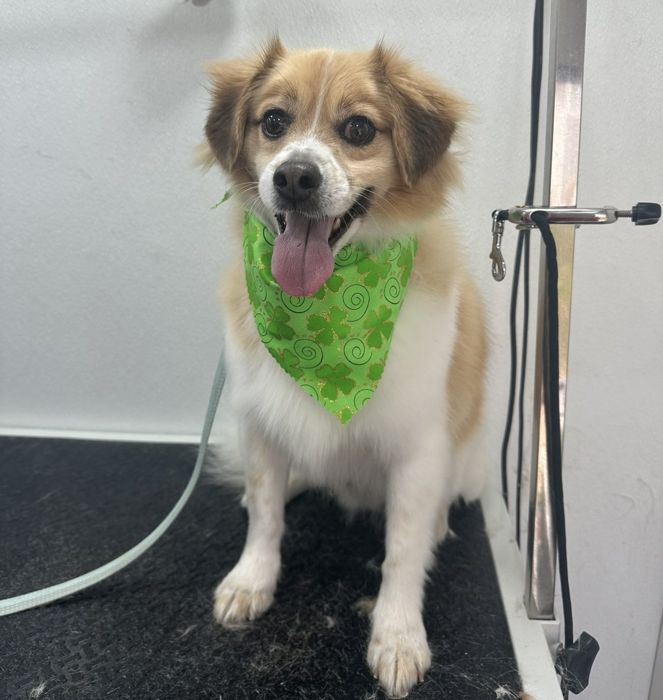
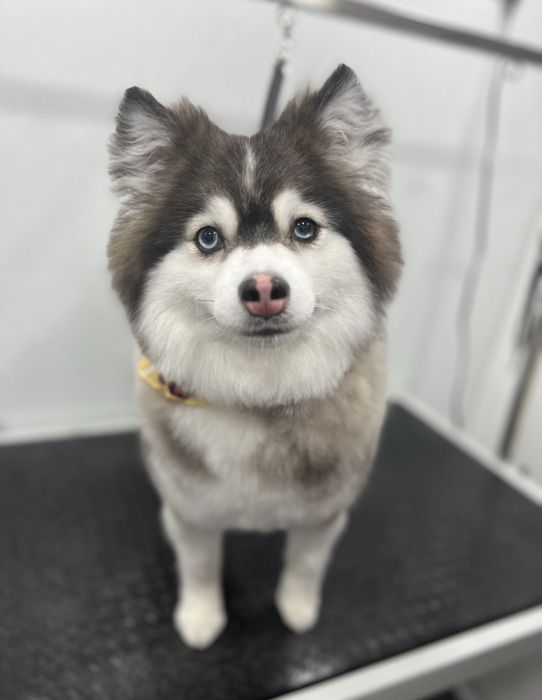
Long Island’s unique summer climate – often hot, humid, and breezy near the coast – plays a significant role in how your dog’s coat behaves. Many Long Island dog owners understandably think shaving their dog down is the best way to keep them cool. While a short haircut can be beneficial for some breeds, it’s crucial to understand your dog’s specific coat type before reaching for the clippers. Double-coated breeds, like Golden Retrievers, Siberian Huskies, and Pomeranians, have a dense undercoat for insulation and a protective outer coat. This natural system actually helps them regulate their body temperature, keeping them warm in winter and cool in summer by trapping air. Shaving these breeds can disrupt this natural insulation, exposing their sensitive skin to harmful UV rays and making them more prone to sunburn and heatstroke.
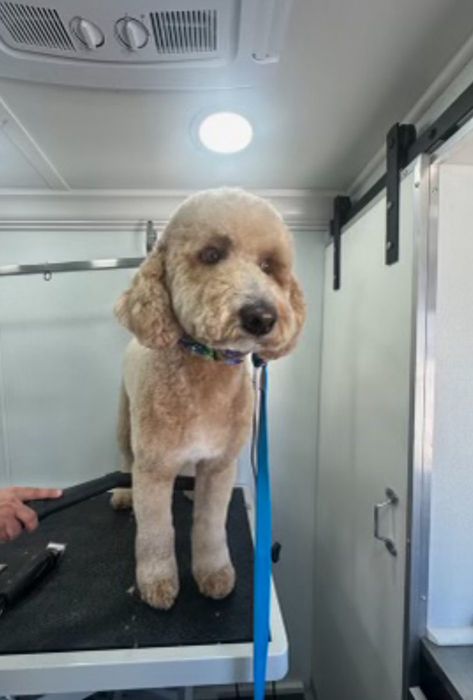
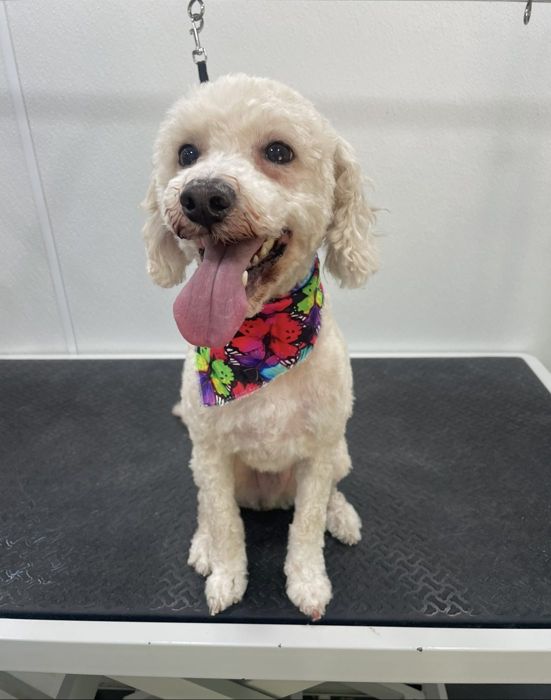
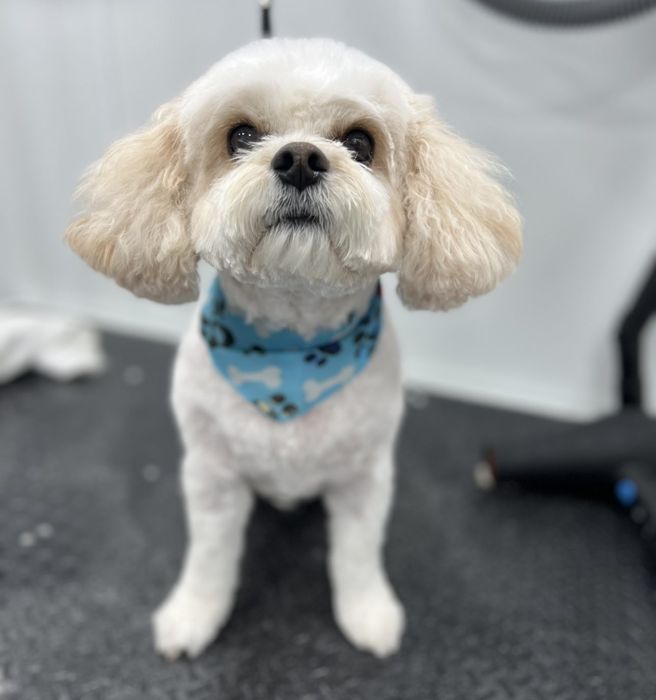
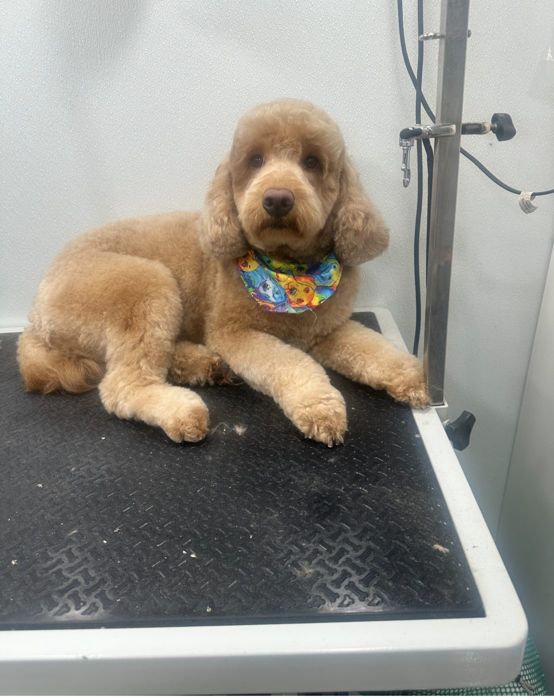
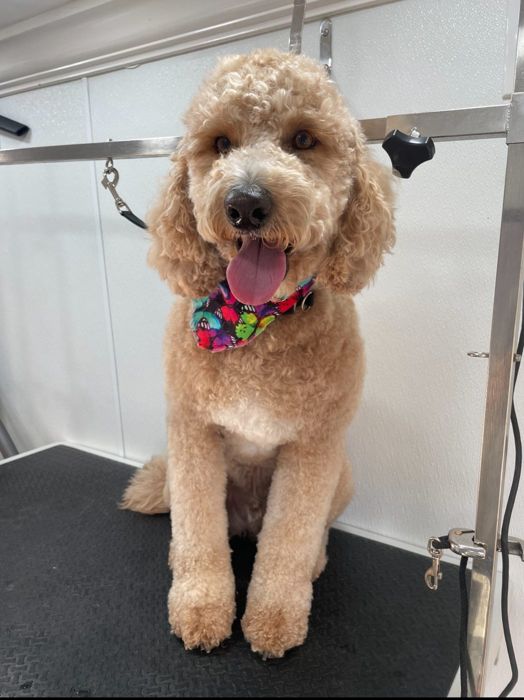
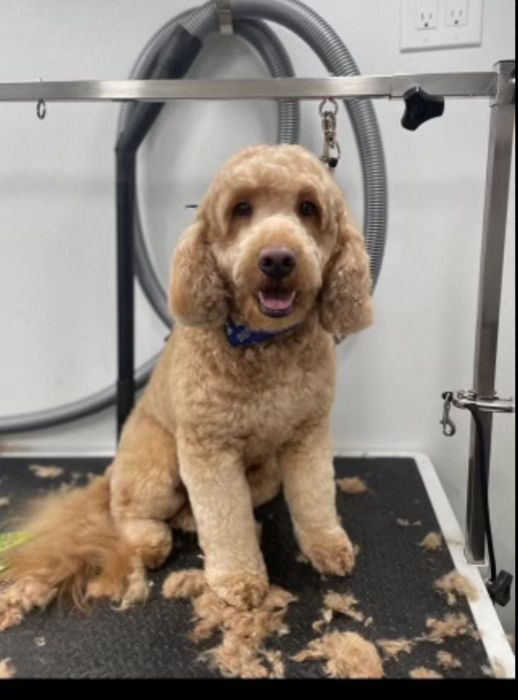
Instead, for double-coated breeds, the focus should be on thorough de-shedding. Removing dead undercoat allows for better air circulation close to the skin, which is essential for comfort during humid Long Island days. For single-coated breeds such as Yorkshire Terriers, Poodles, or Shih Tzus, a shorter summer cut can be perfectly appropriate and beneficial, helping to keep them clean and tangle-free. These coats don’t offer the same insulation benefits as a double coat, so a trim can genuinely help reduce heat retention and make maintenance easier after dips in the sound or ocean.
Beyond breed-specific needs, consider the environmental factors prevalent on Long Island. Frequent visits to Cedar Beach or Sunken Meadow State Park can mean sand getting trapped in their fur, causing irritation and matting, especially in longer coats. The salty air and water, while refreshing, can also dry out their skin and coat, making it brittle and more susceptible to tangles. Pollen counts can be high, contributing to skin allergies and irritation. Understanding these local nuances allows for a more targeted and effective summer grooming strategy, ensuring your dog’s coat remains a protective barrier, not a source of discomfort.
Essential Summer Grooming Practices for Long Island Pups
Maintaining a healthy coat during the Long Island summer requires consistent effort beyond just haircuts. Here are some essential practices to integrate into your routine:
Regular Brushing and De-shedding
