
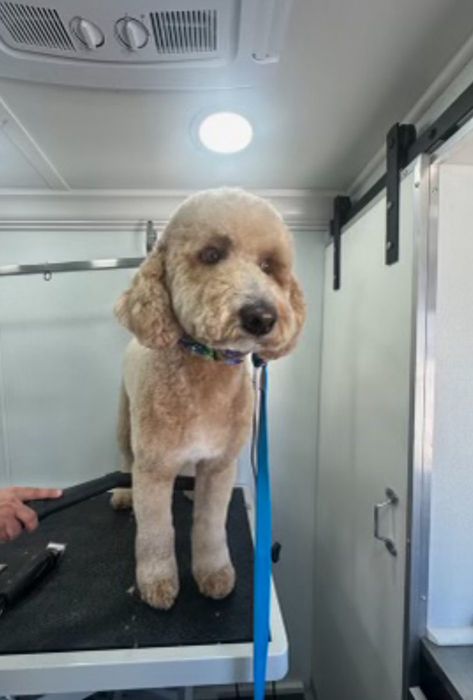
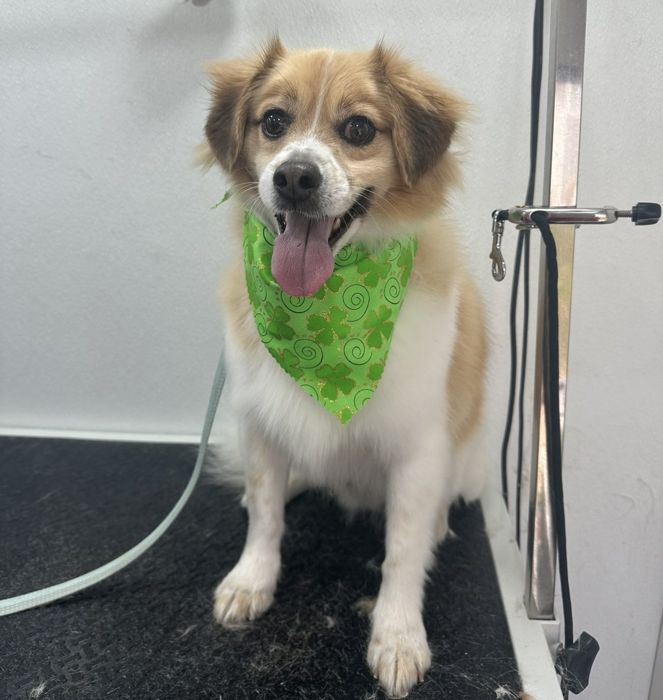
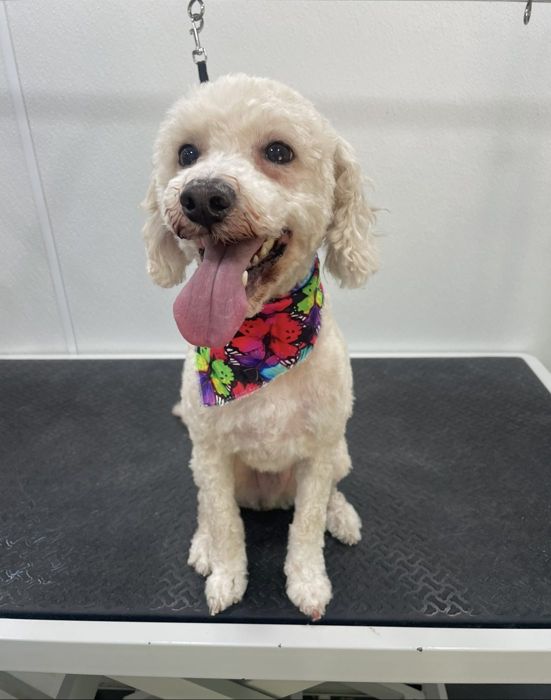
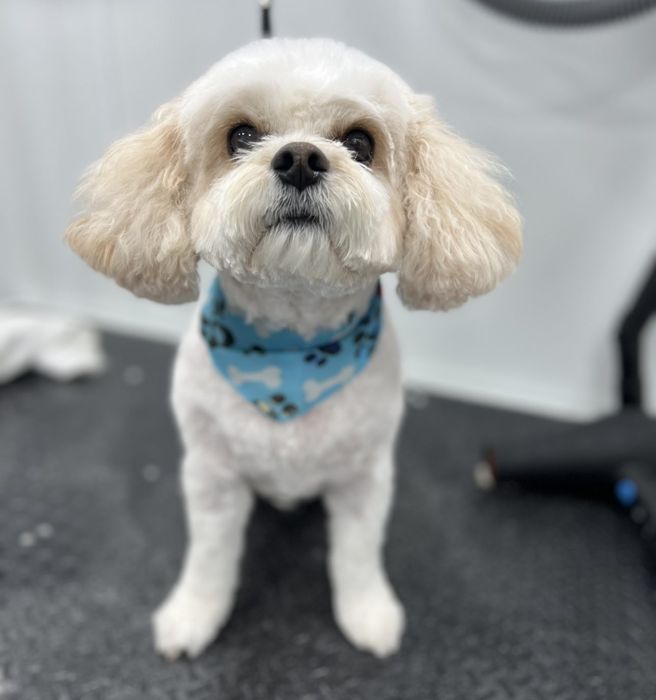
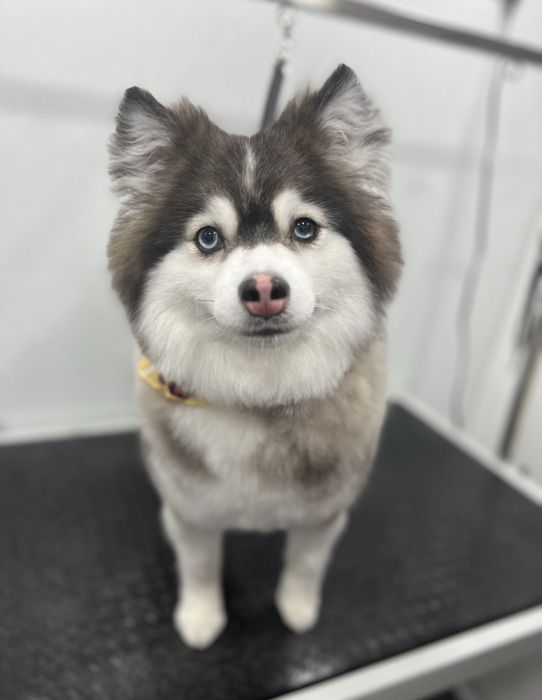
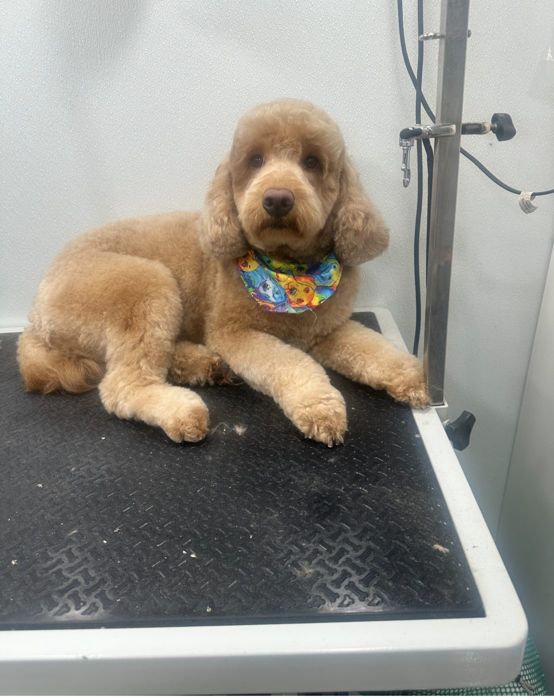
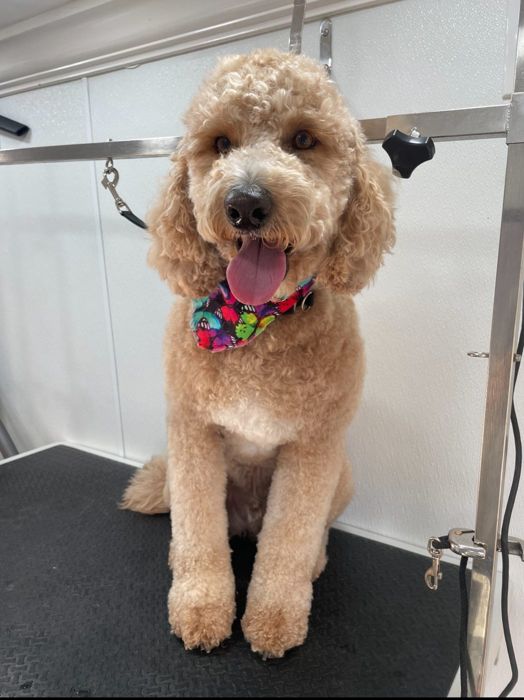
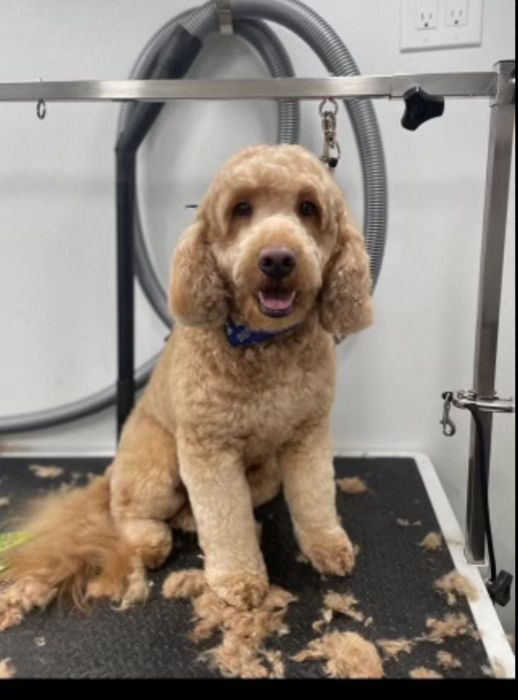
As dog owners across Long Island, we all understand the joy of seeing our furry companions return from a professional grooming session looking, feeling, and smelling their absolute best. That fresh cut, the clean scent, the shiny coat – it’s a transformation we adore. However, professional grooming is an investment, and ensuring your dog maintains that fresh feeling and healthy look between appointments is crucial for their well-being and your peace of mind. Many Long Island pet parents often ask us: “What can I really do at home to keep my dog healthy and happy until their next groom?” It’s a fantastic question, and one we’re here to answer. Consistent at-home care isn’t just about aesthetics; it’s about preventative health, comfort, and strengthening your bond with your pet. Let’s dive into some common questions and practical steps you can take to bridge the gap between professional grooms.
How Often Should I Brush My Dog and What Tools Do I Need?
Brushing is arguably the most vital step you can take between professional grooming appointments, especially for dogs with longer or denser coats prone to matting, common among breeds popular here in Nassau and Suffolk County. The frequency largely depends on your dog’s coat type. For short-haired breeds like Beagles or Labs, a weekly brush might suffice to remove loose hair and stimulate skin oils. For medium to long-haired breeds such as Golden Retrievers, Shepherds, or Doodles, daily or every-other-day brushing is highly recommended. This consistent routine prevents mats and tangles from forming, distributes natural skin oils for a healthier coat, reduces shedding around your Long Island home, and provides an excellent opportunity to check for any skin irritations, lumps, or parasites.
Choosing the right tools makes a significant difference. A slicker brush is excellent for removing loose undercoat and small tangles, particularly for fluffy or curly coats. A pin brush is better for longer, silkier coats, helping to detangle without pulling too much. For breeds with dense undercoats, like Huskies or Samoyeds, a de-shedding tool (used sparingly and correctly) can be incredibly effective. Always use a detangling spray on dry coats before brushing to minimize static and reduce breakage. When brushing, work in small sections, always brushing in the direction of hair growth. Pay special attention to ‘hot spots’ for matting: behind the ears, armpits, flanks, and under the tail. Gentle, consistent brushing not only keeps their coat healthy but also makes professional grooming sessions much more comfortable and efficient for your dog.
What About Bathing Between Grooms? Is It Necessary and How Do I Do It Right?
While professional groomers provide deep cleaning and conditioning that’s hard to replicate at home, there are certainly times when a quick bath between appointments is necessary. Perhaps your dog rolled in something unspeakable at the dog park in Eisenhower Park, or simply developed a “doggy odor” faster than expected. The general rule of thumb is to avoid over-bathing, which can strip natural oils and dry out skin. For most dogs, bathing every 4-6 weeks is appropriate, but if your dog gets particularly dirty or has skin issues, you might need to adjust. Always use a dog-specific shampoo that’s pH-balanced for canine skin – human shampoos are too harsh. Look for gentle, moisturizing formulas.
When bathing, thoroughly wet your dog’s coat, apply shampoo, and work up a good lather, massaging it gently into the skin. Rinse, rinse, and rinse again until no suds remain; shampoo residue can cause skin irritation and flakiness. Towel dry thoroughly, and if your dog has a longer coat, a low-heat hairdryer can help speed up drying and prevent matting – just be sure to brush as you dry to prevent tangles. Never let a long-haired dog air dry completely, as it can lead to mildew on the skin and severe matting. Remember to protect their ears from water by placing cotton balls gently inside (but remember to remove them!). A quick bath can refresh your dog and extend the time between full professional grooms, keeping them comfortable and clean while enjoying their Long Island adventures.
Nail Trims, Ear Cleaning, and Dental Care: Quick Checks You Can Do
Beyond brushing and bathing, three crucial areas often overlooked between professional grooms are nail care, ear hygiene, and dental health. While these might seem intimidating, simple checks and maintenance can go a long way.
Nail Trims: Overgrown nails can be painful, causing your dog to adjust their gait, leading to joint problems over time. When your dog stands, their nails shouldn’t touch the ground. If you hear clicking on your hardwood floors, it’s likely time for a trim. If you’re comfortable, you can use dog-specific clippers to snip just the tip of the nail, avoiding the quick (the pink part containing nerves and blood vessels). If you’re unsure, even a quick call to your groomer or vet can provide guidance, or you can opt for professional nail trims between full grooming sessions. Many Long Island groomers offer stand-alone nail trim services.
Ear Cleaning: Regularly check your dog’s ears for redness, odor, or excessive wax, especially for floppy-eared breeds common on Long Island like Cockers or Basset Hounds, which are prone to ear infections. A gentle wipe with a dog-specific ear cleaner and a cotton ball can help keep them clean. Never insert anything into the ear canal, just clean the visible outer ear. If you notice persistent redness, strong odor, or your dog is shaking their head or scratching their ears frequently, consult your veterinarian.
Dental Care: Dental disease is incredibly common in dogs and can lead to serious health issues. While professional dental cleanings are done by your vet, daily tooth brushing with dog-specific toothpaste can significantly reduce plaque and tartar buildup. Even if you can’t manage daily brushing, offering dental chews or toys specifically designed to clean teeth can help. Regular home checks for bad breath, swollen gums, or missing teeth are also important.
By incorporating these simple, consistent steps into your routine, you’re doing more than just maintaining your dog’s appearance; you’re actively contributing to their overall health, comfort, and happiness. These at-home efforts make subsequent professional grooming appointments easier and more pleasant for your dog, as their coat will be in better condition, and they’ll be more accustomed to handling. Think of these practices as essential complements to professional care, not replacements. For those times when life gets busy, or when your dog needs that comprehensive professional touch, Zoomin Groomin Long Island is always ready to provide top-tier, convenient mobile grooming services right at your doorstep. We take pride in helping our Long Island neighbors keep their pets healthy and looking their best, ensuring a stress-free experience for both you and your beloved companion.
Book a mobile grooming appointment at https://doggroominglongisland.com.
