
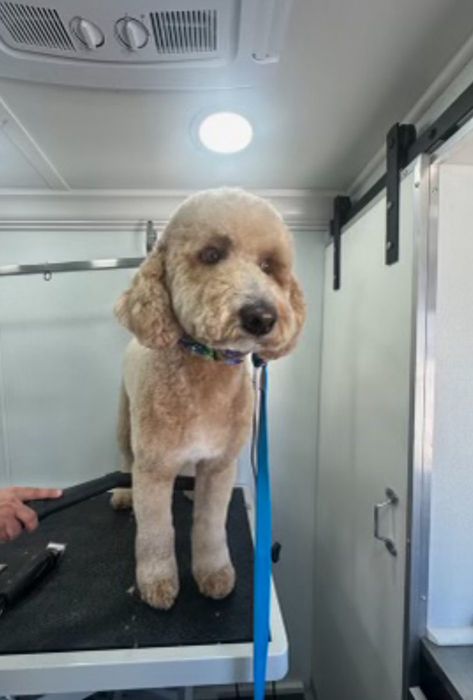
As a dog owner on Long Island, you understand the joy and companionship our furry friends bring. From beach strolls to park hikes, our dogs are family. While professional grooming is a cornerstone of their well-being, what you do between appointments is equally vital. It’s not just about looking good; it’s about maintaining their health, comfort, and happiness. This practical guide for Long Island pet owners offers actionable tips on how to keep your dog looking and feeling fantastic between visits. By establishing a simple, regular home routine, you can prevent common problems, catch issues early, and make their next professional groom a better experience. Let’s dive into the daily habits that make a world of difference.
The Daily Brush-Up: Combating Matts and Promoting Healthy Skin
Regular brushing is arguably the most crucial step you can take at home to maintain your dog’s coat and skin health. For Long Island dogs, whether they’re rolling in sand at Jones Beach or exploring trails at Belmont Lake State Park, a daily or every-other-day brush-up is non-negotiable. Mats aren’t just aesthetic; they pull at the skin, causing discomfort, pain, and can lead to infections by trapping moisture and debris.
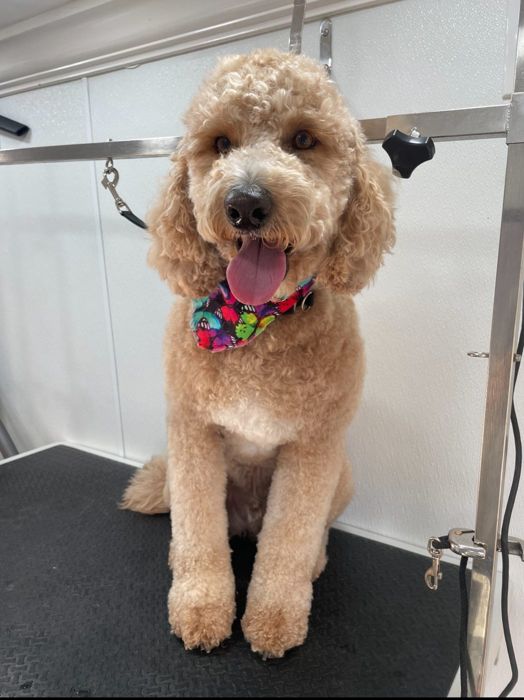
Different coats require different tools. For long, thick, or curly fur (like a Goldendoodle), a slicker brush followed by a metal comb is essential to remove tangles and reach the skin. Short-haired breeds (such as Beagles or Labs) benefit from a rubber curry brush or shedding blade, removing dead hair and stimulating circulation for a healthy, shiny coat.
Establishing a routine is key. Spend 5-10 minutes each day or every other day, making it a positive experience with treats and praise. This prevents painful matting and allows you to inspect their skin for abnormalities – dry patches, rashes, fleas, or ticks – common concerns for pets across Nassau and Suffolk counties. This proactive approach saves your pet from discomfort and often saves you a vet trip.
Beyond the Brush: Eyes, Ears, and Paws in Focus
While brushing addresses the coat, comprehensive at-home care extends to other sensitive areas. Paying attention to your dog’s eyes, ears, and paws can prevent minor irritations from escalating.
For their eyes, a simple daily wipe with a soft, damp cloth (or vet-approved cleaner) removes dirt, discharge, and prevents tear staining, common in lighter-colored breeds. Always wipe *away* from the eye and use a fresh part of the cloth for each eye. Look for excessive tearing, redness, or cloudiness.
Ears are critical, especially for floppy-eared breeds prevalent throughout Long Island. Moisture and warmth can create a breeding ground for bacteria and yeast. A quick, gentle wipe of the outer ear canal with a cotton ball dampened with ear cleaner (recommended by your vet or groomer) keeps them clean. Never insert anything into the ear canal; focus on visible wax and dirt. If you notice redness, swelling, foul odor, or excessive scratching, consult your veterinarian.
Finally, your dog’s paws are their foundation, bearing the brunt of Long Island’s varied terrain – from hot sidewalks to icy paths. Regularly check their paw pads for cracks, cuts, or embedded debris. A gentle paw massage improves circulation and helps identify sensitivities. If comfortable, carefully trim hair between paw pads to prevent matting and improve traction. For nails, if you’re not confident trimming, professional groomers are experts, though frequent walks on hard surfaces often help wear them down naturally. Regular inspection of these areas is paramount for comfort and early detection of trouble.
Observing and Notifying: Being Your Pet’s Best Advocate
Your daily interactions with your dog provide invaluable opportunities to monitor their overall health. Between professional grooming appointments, you are your pet’s first line of defense. As you brush, clean ears, or check paws, take time to truly observe.
Pay close attention to their skin. Does it feel dry or oily? Are there any scabs, hot spots, or unusual bumps? Given Long Island’s environments, keeping an eye out for fleas and ticks, especially during warmer months, is crucial. A thorough check after outdoor excursions in areas like Caumsett State Historic Park Preserve or during backyard playtime can prevent infestations. Changes in coat quality – sudden dullness, excessive shedding, or brittle hair – can sometimes signal underlying health problems.
Beyond the physical, observe their behavior. Are they scratching more than usual? Licking paws excessively? Showing sensitivity when you touch certain areas? These can be subtle cues that something isn’t right. Jot down any changes or concerns.
By being an attentive observer, you become an active partner in your pet’s health journey. If you spot anything concerning – a new lump, a persistent rash, an ear infection, or even just a change in their disposition – don’t hesitate to contact your veterinarian. For grooming-related skin and coat issues, a quick call to your groomer can provide peace of mind or an earlier appointment. Early detection and intervention are always key to your pet’s comfort and recovery.
Maintaining your dog’s health and happiness between professional grooming appointments is an essential part of responsible pet ownership. Dedicating a few minutes each day or week to brushing, checking sensitive areas, and observing your companion invests in their long-term well-being. These consistent at-home efforts strengthen your bond and make subsequent professional grooming sessions smoother and more enjoyable. Remember, professional groomers are vital partners. For Long Island pet owners seeking exceptional care right at their doorstep, Zoomin Groomin Long Island offers convenient, stress-free mobile grooming services that complement your home routine perfectly, ensuring your dog always looks and feels their best. Book a mobile grooming appointment at https://doggroominglongisland.com.
