
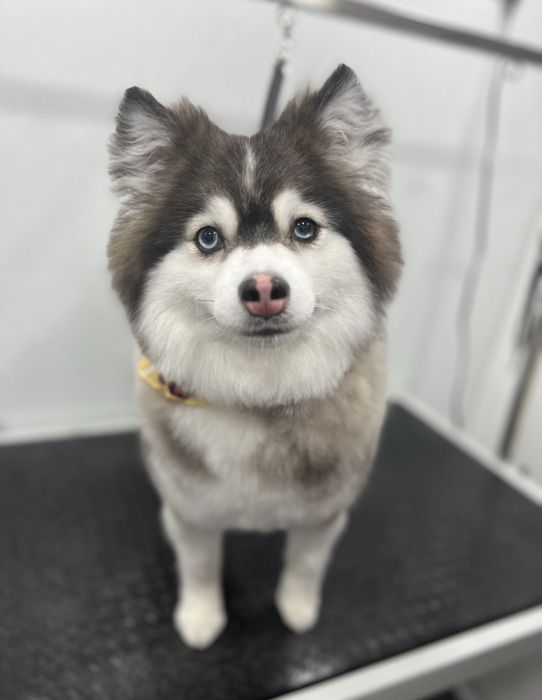
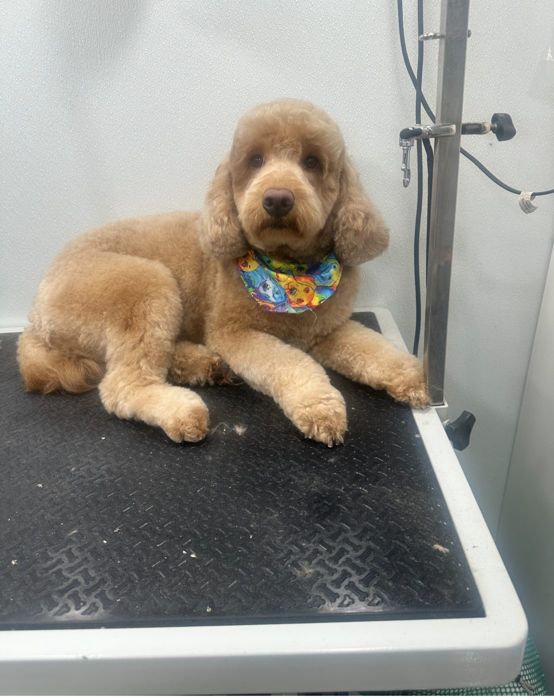
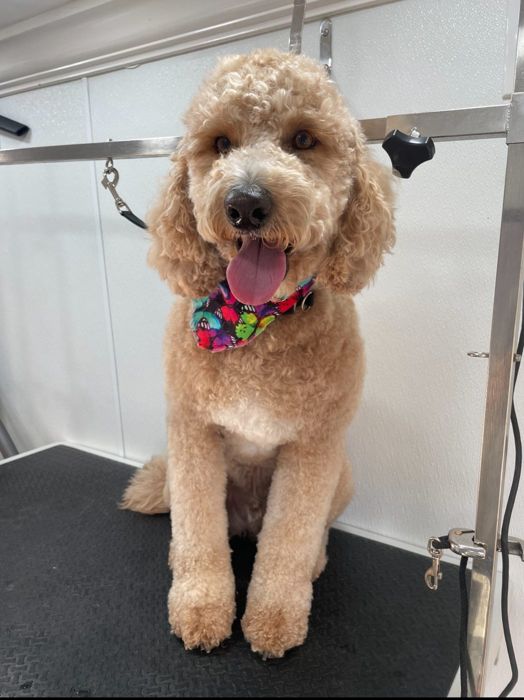
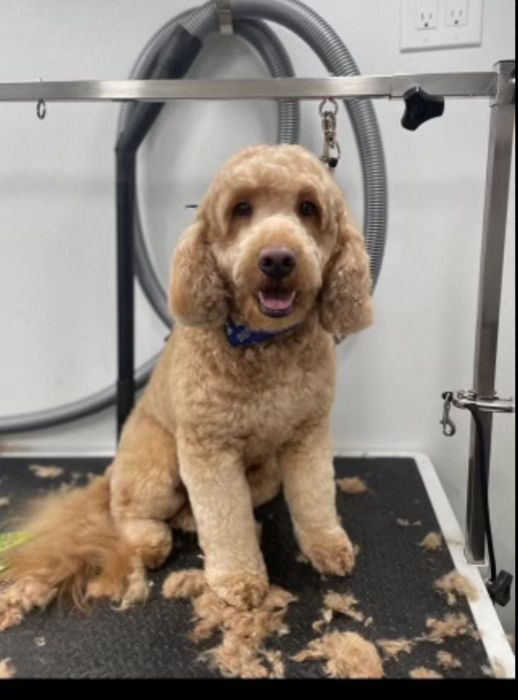
As devoted dog owners on Long Island, we all want what’s best for our furry family members. We know the joy of seeing them fresh and clean after a professional grooming session – the shiny coat, the neatly trimmed paws, the happy bounce in their step. But what happens in the weeks and months between those essential appointments? Just like human hair and skin, our dogs’ coats, nails, and ears require consistent attention to stay healthy and comfortable. Think of professional grooming as a spa day, and daily home care as the vital regimen that maintains their well-being. Neglecting these in-between steps can lead to painful matting, skin issues, overgrown nails, and even dental problems, making subsequent grooming sessions more challenging and less pleasant for your beloved companion.
Maintaining your dog’s health and happiness is a partnership between you and your professional groomer. By understanding and implementing a few simple routines at home, you can significantly extend the benefits of their last groom, prevent common issues, and deepen the bond you share. Let’s explore some practical, everyday habits that will keep your Long Island pup looking and feeling their best, ready for anything from a stroll in Eisenhower Park to a romp on the beach.
Daily Brushing – Your First Line of Defense
Regular brushing is arguably the most crucial step you can take between professional grooming appointments. It’s more than just aesthetics; it’s a foundational element of your dog’s health and comfort. Depending on your dog’s coat type, the frequency will vary, but for most Long Island breeds, daily or at least every-other-day brushing is ideal. For long-haired breeds like Golden Retrievers, Shih Tzus, or doodles, brushing daily is non-negotiable to prevent painful mats and tangles that can pull on their skin and create hot spots or infections underneath. Even short-haired dogs, such as Beagles or Labs, benefit from regular brushing, as it helps remove loose hair, distribute natural skin oils, and stimulate circulation.
Beyond mat prevention, brushing offers a host of benefits. It reduces shedding around your home – a definite plus for any Long Island household! It also acts as a mini-massage, improving blood flow and allowing you to check for any skin irritations, parasites (like ticks, especially after exploring local trails), or unusual lumps and bumps. The right tools make all the difference: a slicker brush is excellent for removing loose hair and dematting, a pin brush works well for longer coats, and a metal comb is essential for checking for tangles near the skin. For double-coated breeds, a good undercoat rake can work wonders in managing seasonal shedding. Make it a positive experience with treats and praise, and you’ll create a bonding ritual your dog will look forward to.
Essential Hygiene Checks and Maintenance
While brushing is paramount, several other hygiene tasks require your attention between full grooming sessions. These small actions contribute significantly to your dog’s overall health and comfort.
Ear Care: Your dog’s ears are prime spots for infections if neglected. Regularly check for redness, odor, or any dark discharge, especially for floppy-eared breeds like Basset Hounds or Spaniels. A quick, gentle wipe with a vet-approved ear cleaning solution and a cotton ball can help remove wax and debris. Never insert anything into the ear canal, and if you notice any persistent issues, consult your veterinarian promptly.
Nail Trimming: Overgrown nails can cause significant discomfort, alter your dog’s gait, and even lead to painful splaying of the toes and joint issues over time. If you hear your dog’s nails clicking on the floor as they walk, it’s time for a trim. While many Long Island dog owners prefer to leave this task to professionals, getting comfortable with regular, minor trims at home can prevent them from getting too long between appointments. Use sharp clippers and take off only the tip, avoiding the quick. If you’re unsure, ask your groomer for a quick demonstration.
Paw Pad Health: The paw pads endure a lot, from hot asphalt in Long Island summers to icy sidewalks in winter. Check them regularly for cracks, cuts, foreign objects (like burrs or small stones), or excessive dryness. A soothing paw balm can help keep them moisturized and protected. Also, trim the hair between their paw pads to prevent matting and improve traction.
Dental Care: Often overlooked, dental hygiene is crucial. Just like humans, dogs can suffer from plaque buildup, tartar, and gum disease, leading to bad breath and serious health problems. Brushing your dog’s teeth daily with dog-specific toothpaste is the gold standard. If daily brushing isn’t feasible, dental chews, water additives, and dental wipes can help supplement professional cleanings. Good oral health starts at home!
Beyond the Basics – Nutrition, Exercise, and Observation
While hands-on grooming is important, your dog’s overall lifestyle choices also play a significant role in their coat and skin health. Think of these as the holistic pillars supporting their well-being.
Quality Nutrition: What goes into your dog’s bowl directly impacts the health of their skin and coat. A high-quality diet rich in essential fatty acids (like Omega-3 and Omega-6) will promote a shiny, healthy coat and reduce dryness or excessive shedding. Look for dog foods with real meat as the primary ingredient and avoid excessive fillers. A healthy diet supports a healthy immune system, which in turn helps fend off skin issues.
Regular Exercise and Hydration: Consistent physical activity, whether it’s a brisk walk around your Long Island neighborhood or a game of fetch in the backyard, improves circulation, reduces stress, and helps distribute natural oils in your dog’s coat. A well-exercised dog is generally a happier, healthier dog. Equally important is ensuring constant access to fresh, clean water. Proper hydration is vital for skin elasticity and overall cellular health, contributing to a vibrant coat.
Keen Observation: You know your dog best. Paying close attention to any changes in their skin, coat, behavior, or appetite is one of the most powerful tools you have. While you’re brushing or performing hygiene checks, be on the lookout for anything unusual: new lumps, persistent scratching, dandruff, dullness in the coat, or a sudden increase in shedding. Early detection of issues can prevent them from becoming more serious and costly problems down the line. If you notice anything concerning, don’t hesitate to contact your veterinarian.
By integrating these practices into your routine, you become a proactive partner in your dog’s well-being, enhancing the effects of professional grooming and fostering a stronger, healthier bond. You’re not just preventing problems; you’re actively promoting their comfort and happiness every single day.
The time and effort you invest in your dog’s home care between professional grooming appointments will pay dividends in their overall health, happiness, and comfort. Regular brushing, diligent hygiene checks, and a focus on nutrition and exercise create a solid foundation for their well-being. These routines not only help prevent common issues like matting, skin irritations, and overgrown nails but also deepen the bond you share with your beloved Long Island companion.
However, even with the most dedicated home care, there’s no substitute for the expert touch of a professional groomer. When it’s time for that comprehensive pampering that only a professional can provide – the deep cleaning, precise trims, thorough de-shedding, and expert health assessments – remember the convenience and quality of a mobile service. Zoomin Groomin Long Island brings the full-service grooming salon directly to your doorstep, providing a stress-free, personalized experience for your dog right here in our Long Island community. Book a mobile grooming appointment at https://doggroominglongisland.com.
