
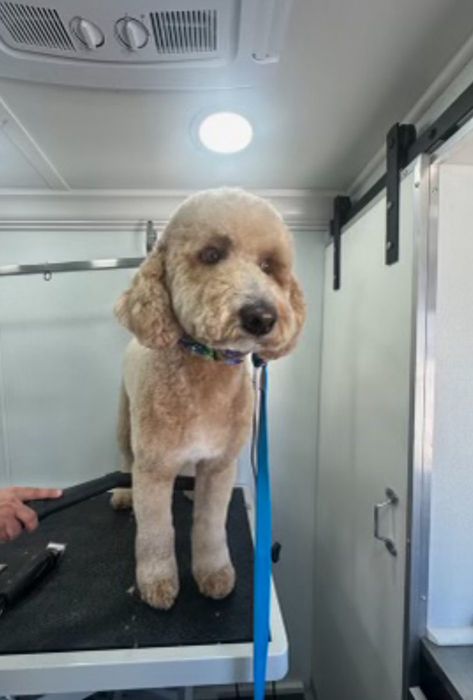
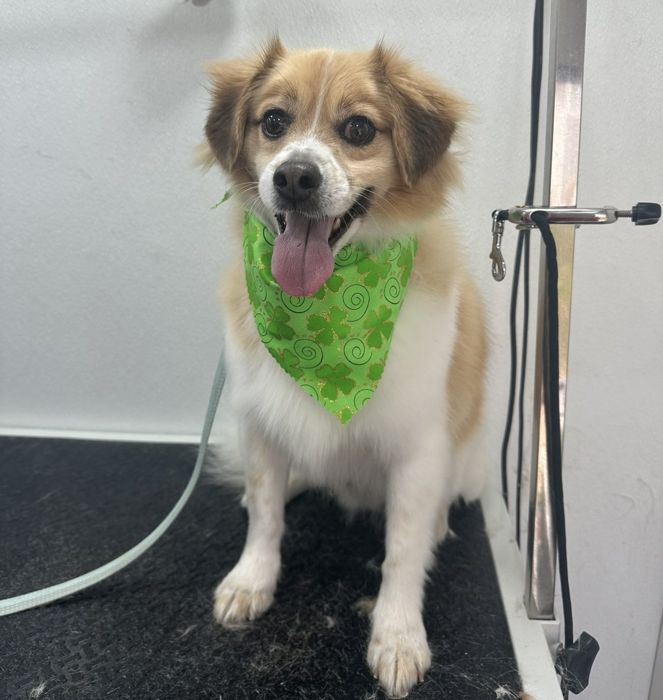
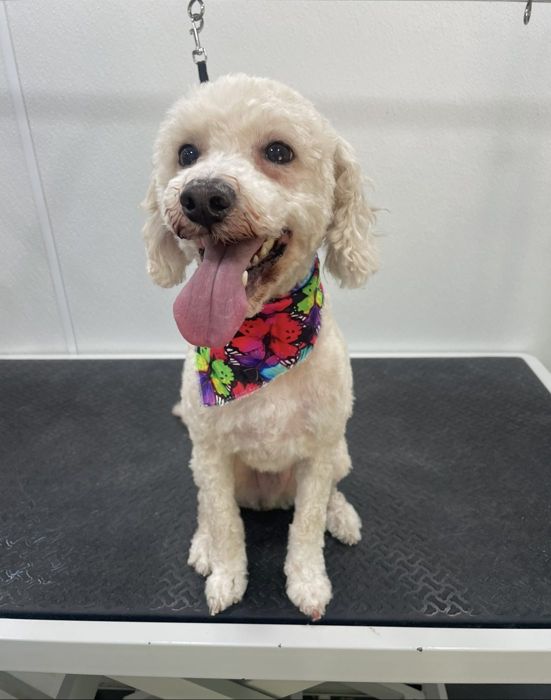
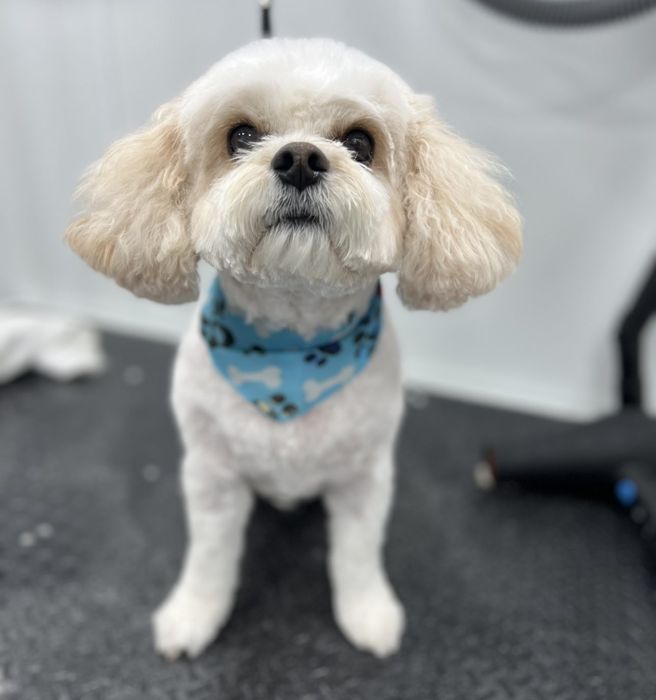
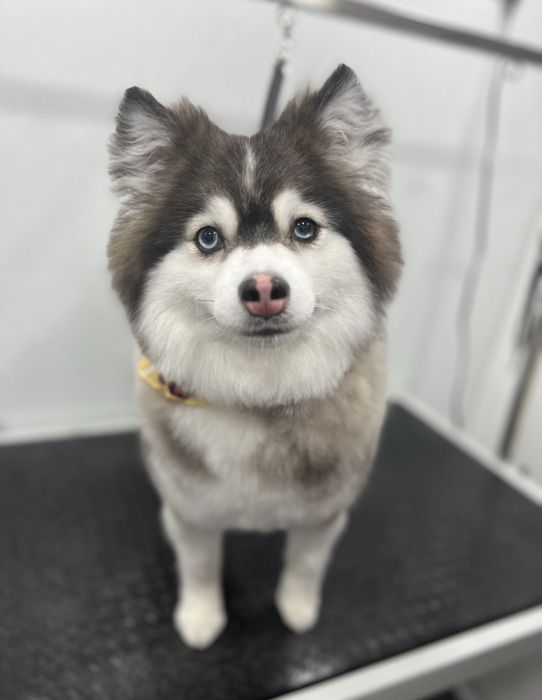
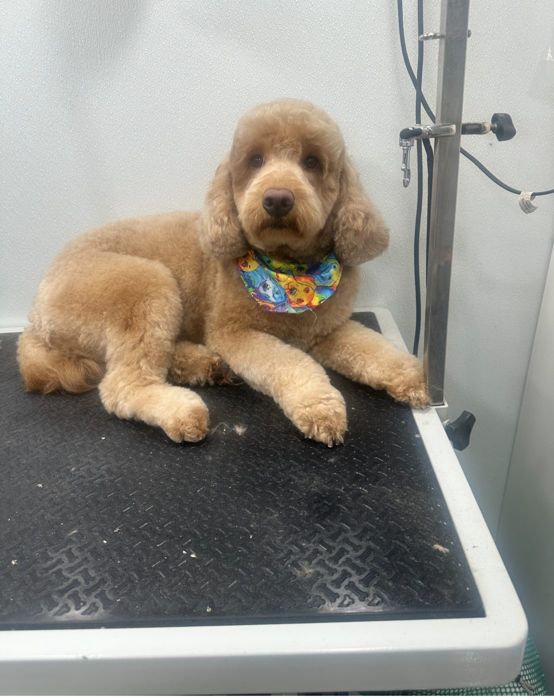
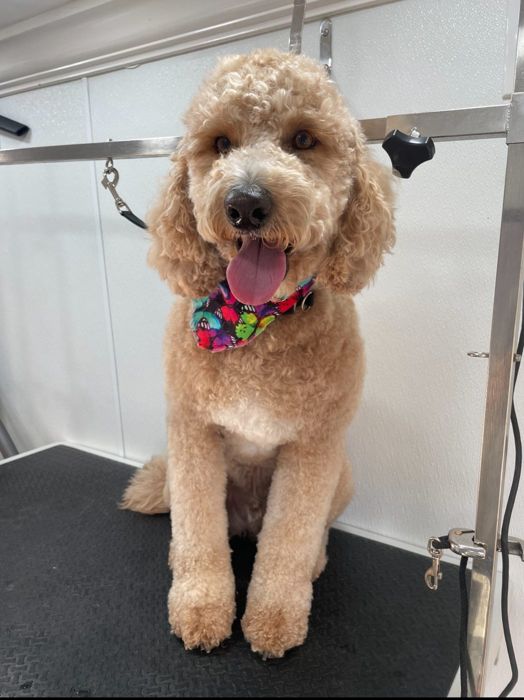
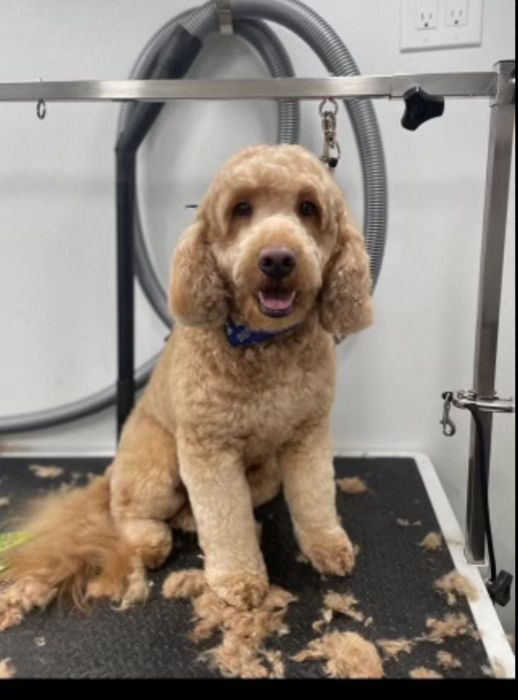
Doodles—whether they’re Goldendoodles, Labradoodles, Bernedoodles, or any of the delightful variations—have captured the hearts of Long Island families. Their charming personalities and teddy-bear looks make them irresistible companions. However, beneath that adorable exterior lies a coat that requires a very specific and often misunderstood grooming regimen. Many Doodle owners, even those with the best intentions, underestimate the consistent care needed to keep their furry friends comfortable, healthy, and mat-free.
If you’re a Doodle parent on Long Island, you know our unique environment, from salty beach air to humid summers and snowy winters, can add extra challenges to coat maintenance. The good news is, with the right knowledge and a consistent routine, you can ensure your Doodle’s coat stays pristine. This guide provides a step-by-step checklist to help you understand how often Doodles really need grooming, both at home and professionally.
The Doodle Coat: A Unique Grooming Challenge on Long Island
What makes Doodle coats so special, and often challenging? It’s their unique genetic blend. Doodles inherit various coat types from their Poodle and retriever/mountain dog ancestors, resulting in a spectrum from wavy fleece to tight wool. Unlike shedding breeds, many Doodles have hair that continues to grow, similar to human hair, and doesn’t fall out easily. This means dead hair gets trapped within the growing coat, leading to mats if not brushed out regularly.
On Long Island, our lifestyle and climate amplify these challenges. A stroll through a leafy Nassau County park or a playful romp on a Suffolk County beach can quickly introduce burrs, sand, and debris into a Doodle’s coat. Our humid summers can make coats feel sticky and prone to tangles, while winter sweaters and outdoor play in the snow can press down the coat, creating hidden mats that tighten with moisture. Preventing mats is always easier and less stressful for your dog than trying to remove them.
Understanding your Doodle’s specific coat type is key. A soft, wavy fleece coat might tangle differently than a dense, curly wool coat. Regardless of the texture, the common denominator is the need for diligent and consistent care to prevent painful matting and skin issues. Ignoring these signs can lead to discomfort, skin infections, and even costly emergency vet visits for severe mat removal.
Your Doodle Grooming Checklist: How Often Is Enough?
Maintaining a Doodle’s coat is a partnership between you and your professional groomer. Here’s a breakdown of the frequency needed for various grooming tasks:
Daily to Every Other Day: Brushing and Combing
This is your most important daily defense against mats. Using a high-quality slicker brush followed by a metal comb (especially a greyhound comb that can reach down to the skin), systematically brush your Doodle from head to tail. Pay special attention to “hot spots” for matting: behind the ears, armpits, groin area, tail base, and paws. If your comb can’t glide smoothly through the coat, there’s a tangle you need to work out. Consistent daily brushing means quicker sessions and happier Doodles.
Weekly: Ear Checks, Paw Pads, and Sanitary Trims
On a weekly basis, check your Doodle’s ears for redness, odor, or excess wax, and clean them gently with a vet-approved ear cleaner. Trim hair around the paw pads to prevent slipping and debris accumulation, and perform a quick sanitary trim around the private areas to maintain hygiene. These small, frequent tasks prevent larger issues down the line.
Every 4-8 Weeks: Professional Grooming Session
This is the cornerstone of Doodle coat maintenance. A full professional groom includes bathing, blow-drying, a full haircut (
