
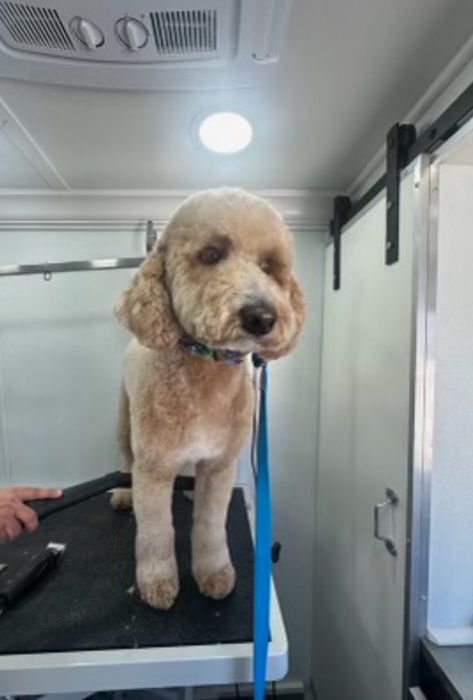
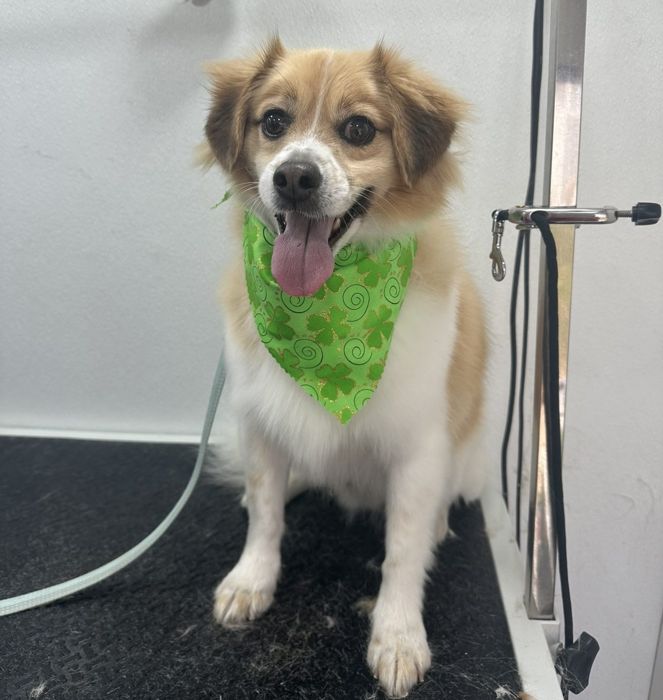
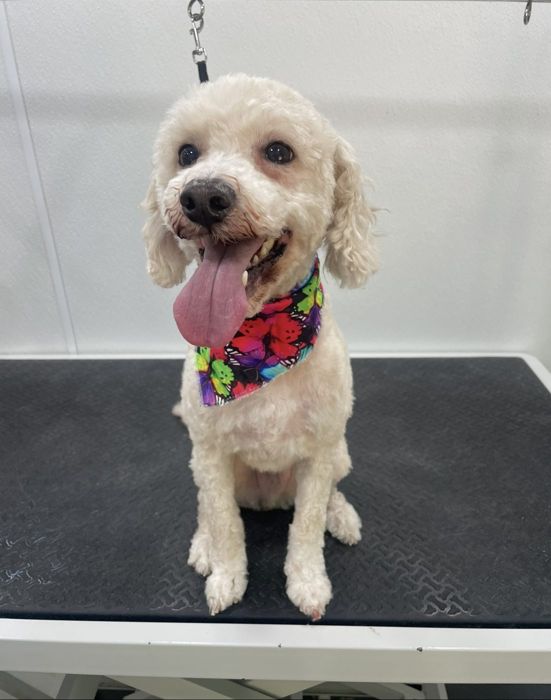
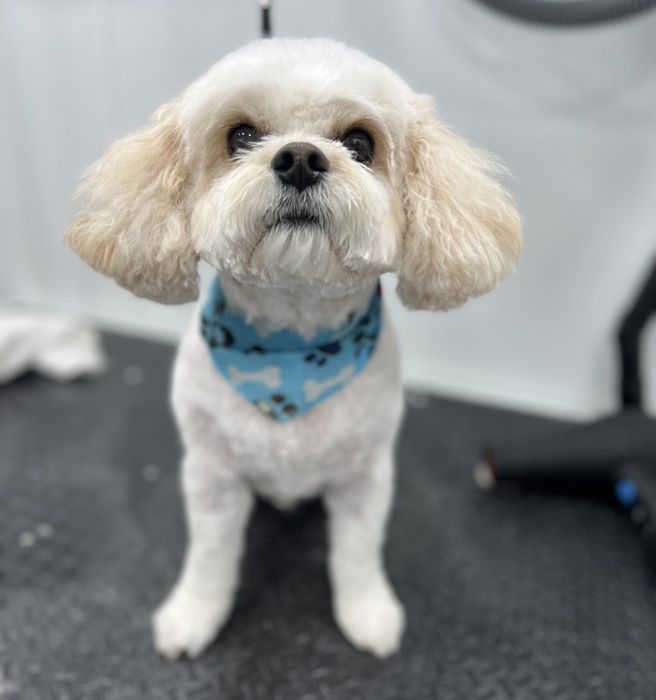
Summer changes how dogs live on Long Island. There is more backyard time, more beach time, more mud after storms, more humidity in the coat, and a lot more chances to come back into the house smelling like summer. That usually leads owners to the same question: how often should a dog actually get bathed this time of year?
The honest answer is that there is no single perfect schedule for every dog. Coat type, activity level, skin sensitivity, breed, and how much brushing happens at home all matter. But there are some practical rules that help owners avoid the two most common mistakes: bathing too rarely and letting buildup turn into a skin or coat problem, or bathing too often with the wrong products and drying the skin out.
Summer dirt is different from winter dirt
In colder months, many dogs mainly track in dust, street grime, and whatever they picked up on a walk. In summer, the mix changes. Sweat, humidity, salt air, grass, pollen, sunscreen residue from people, pool chemicals, and muddy paws after quick storms all add up fast. Even dogs that do not look filthy can start feeling sticky or carrying odor much sooner than they do in cooler weather.
That is why the summer bathing schedule often needs to be tighter than the rest of the year. Not extreme, just more realistic for how much the dog is outside and what the coat is holding onto.
Most family dogs do well with a consistent rhythm
For many Long Island household dogs, a bath every three to five weeks during the summer is a healthy baseline when the right shampoo and drying process are used. Some dogs with short coats and low outdoor exposure can stretch longer. Dogs that swim often, have heavier coats, or spend more time rolling around outside may need more frequent bathing or at least a rinse-and-brush cleanup between full grooming appointments.
The bigger point is consistency. A predictable rhythm is usually better than waiting until the coat feels dirty enough to become a problem. When owners wait too long, the bath becomes a reset instead of maintenance, and that makes everything harder: brushing, drying, skin comfort, and mat prevention.
Coat type matters more than people think
A labrador and a doodle should not be managed the same way. A short-coated dog may mostly need a clean skin and a rinse after especially dirty days. A curly or long-coated dog can trap moisture and debris much more easily, which means the coat needs more support if you want to avoid matting and odor. Double-coated breeds bring a separate issue: the undercoat can hold dampness and loose hair if the dog is not brushed and dried properly after bathing.
This is where owners get mixed advice online. The right bathing schedule is not just about smell. It is about what the coat can tolerate and how well it is being maintained between baths.
Too much bathing can still be a problem
More is not automatically better. If a dog is being washed too often with harsh products, not rinsed thoroughly, or not dried well, the skin can get dry, irritated, or imbalanced. That is one reason professional grooming matters. Product choice, coat handling, and drying technique all change the result. A proper bath does more than make the dog smell cleaner for two days. It supports the skin and makes the coat easier to manage.
Owners who suddenly start weekly home baths in summer without thinking through products and drying often create the exact irritation they were trying to avoid.
Beach dogs and pool dogs need special attention
If your dog spends time at the beach, in a pool, or near sandy areas, the schedule changes. Salt, chlorine, and sand are rough on the coat and skin when they sit too long. Even when a full shampoo is not needed right away, a good rinse and dry-out matters. Dogs that regularly swim often need more active summer coat care than owners expect, especially if they already have longer hair or sensitive skin.
That is also why summer grooming is not only about the bath itself. Brushing, deshedding, trimming around the paws and sanitary areas, and keeping the coat free of tight tangles all matter just as much.
Watch the dog, not just the calendar
If the coat feels sticky, the dog smells strong well before the usual appointment, or the skin seems itchier after outdoor-heavy weeks, those are signs the routine may need adjusting. The same goes for dogs that start matting faster in humidity. The calendar is a guide, but the dog tells the truth. Some need a bath-and-brush visit between full grooms. Some need the full cycle shortened during July and August.
Owners usually make better decisions when they stop asking for the single magic number and start thinking in terms of a healthy maintenance rhythm.
Why mobile grooming helps in the summer
Summer gets busy fast. Travel, camps, beach days, and full weekends make it easy to delay grooming until the dog is overdue. Mobile grooming solves a lot of that. The groomer comes to the driveway, the appointment stays one-on-one, and it is much easier to keep the dog on a regular schedule instead of waiting for a salon trip to fit the calendar.
If you want a practical summer grooming rhythm for your dog, Zoomin Groomin Long Island can help you set one that fits the coat, the season, and real life. Call (631) 801-4801 to keep your dog clean, comfortable, and easier to manage all summer long.
