
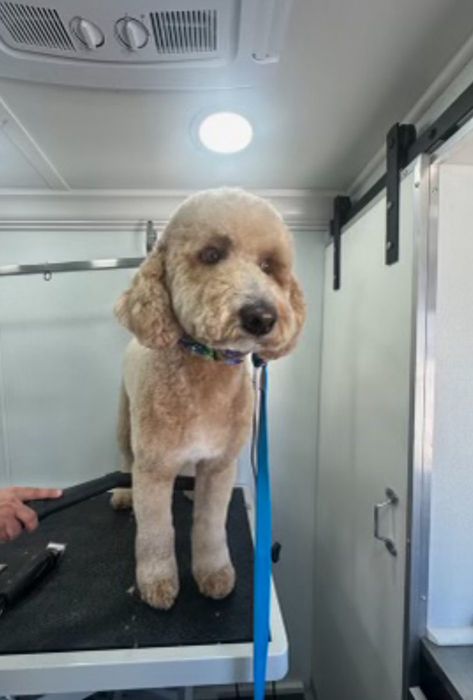
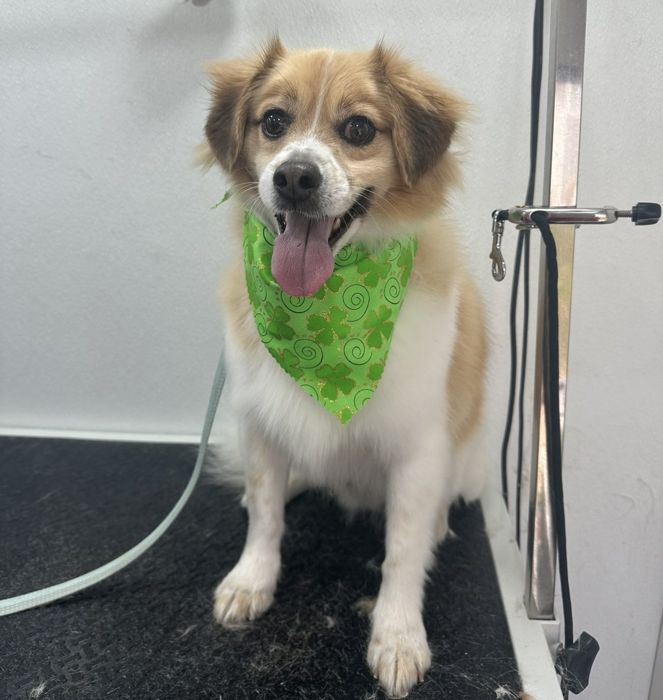
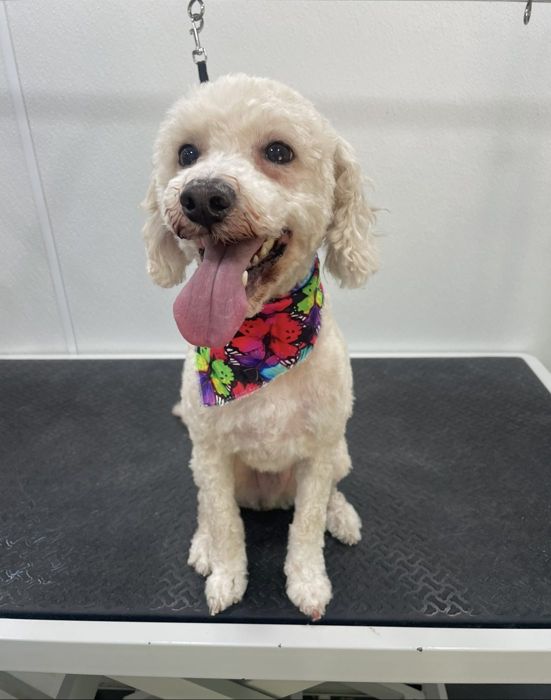
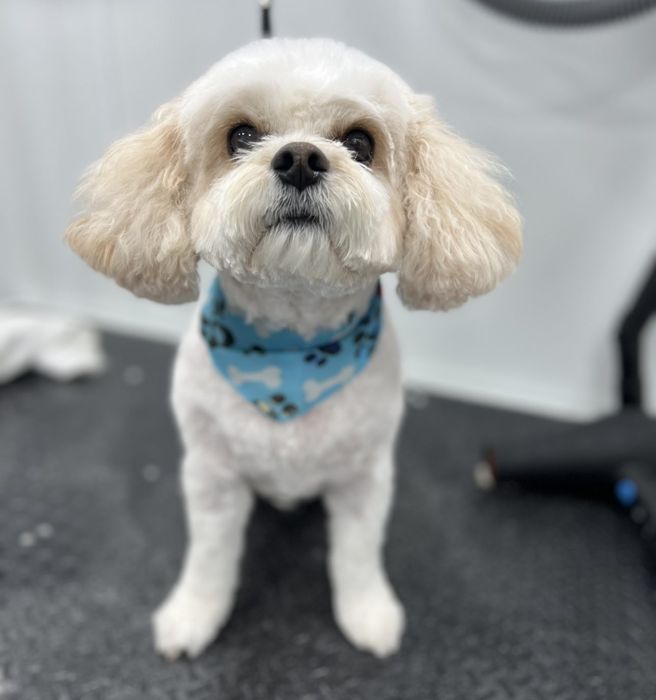
As a devoted dog owner on Long Island, you understand that your furry family member’s health is paramount. While we often focus on nutrition and exercise, it’s easy to overlook a crucial aspect of their well-being: grooming. Beyond just looking good, professional grooming plays a vital role in preventing and managing common canine issues, especially those affecting the skin and ears. These problems can range from itchy hot spots to painful ear infections, often leaving both pets and their owners uncomfortable and frustrated. But what exactly is the truth behind grooming’s impact on these conditions? Let’s separate the myths from the facts and discover how regular, expert care can make a significant difference for your beloved pup.
Debunking Skin Health Myths: More Than Just a Pretty Coat
The condition of your dog’s skin and coat is a direct indicator of their overall health. Yet, many misconceptions persist about what constitutes proper skin care. One common myth is that “bathing your dog too often dries out their skin and makes them itchier.” While using harsh, inappropriate shampoos can certainly strip natural oils, professional groomers use high-quality, pH-balanced products designed for canine skin. The fact is, regular baths (every 4-6 weeks for most dogs, sometimes more often for allergy sufferers) remove environmental allergens, dirt, excess oil, and dead skin cells that can contribute to irritation, dryness, and infection. Think about it: if your dog rolls in pollen or dirt during their adventures across Long Island, leaving it on their skin only prolongs exposure to irritants.
Another myth is that “brushing is only for shedding season.” In reality, consistent brushing is essential year-round. It stimulates blood circulation in the skin, which promotes a healthy coat, and helps distribute natural oils evenly. More importantly, regular brushing helps prevent matting. Many Long Island dog owners underestimate the danger of matted fur. Mats aren’t just cosmetic; they pull on the skin, causing pain and discomfort. They also create a breeding ground for bacteria and parasites, trapping moisture and preventing air circulation, which can lead to painful hot spots, skin infections, and even conceal underlying skin conditions or lumps that you might otherwise miss. A professional groomer can meticulously brush out or safely remove mats, allowing their skin to breathe and recover.
Finally, some believe that “all bumps and flakes are just part of being a dog.” While minor flakes can be normal, persistent flaking, redness, sores, or unusual bumps are red flags. A groomer’s experienced eye during a routine session often spots these issues early, before they escalate. They can alert you to potential problems like allergies, fungal infections, or even parasites, prompting a timely visit to your veterinarian.
Ear Care Facts: Keeping Those Long Island Ears Healthy
Ear issues are incredibly common in dogs, especially those with floppy ears like Cocker Spaniels or Basset Hounds, and can be excruciatingly painful if left untreated. One pervasive myth is that “getting water in your dog’s ears always causes an infection.” The truth is, it’s not the water itself, but retained moisture combined with a lack of airflow and buildup of wax or debris that creates a perfect environment for yeast and bacteria to flourish. Professional groomers take great care to protect your dog’s ears during baths and ensure they are thoroughly dried afterward. Proper drying, often with specialized gentle blow dryers, is crucial for preventing moisture-related infections.
Another common misconception revolves around ear hair. Some owners believe that “you should always pluck ear hair, it’s dirty.” While some breeds benefit from hair removal from the ear canal to improve airflow, it’s not a universal rule and should be done with extreme caution. Aggressive or improper plucking can irritate the delicate skin of the ear canal, causing trauma and making the ear more susceptible to infection. A skilled groomer will assess your dog’s specific needs, gently trim or pluck only when necessary, and use appropriate, gentle techniques. They also know what to look for—excessive wax, foul odor, redness, or swelling—all signs that warrant veterinary attention rather than just cleaning.
Lastly, the idea that “my dog’s ears clean themselves” is often untrue, especially for breeds prone to ear problems. While some dogs naturally have cleaner ears, many require regular, gentle cleaning to prevent wax buildup and debris from accumulating
