
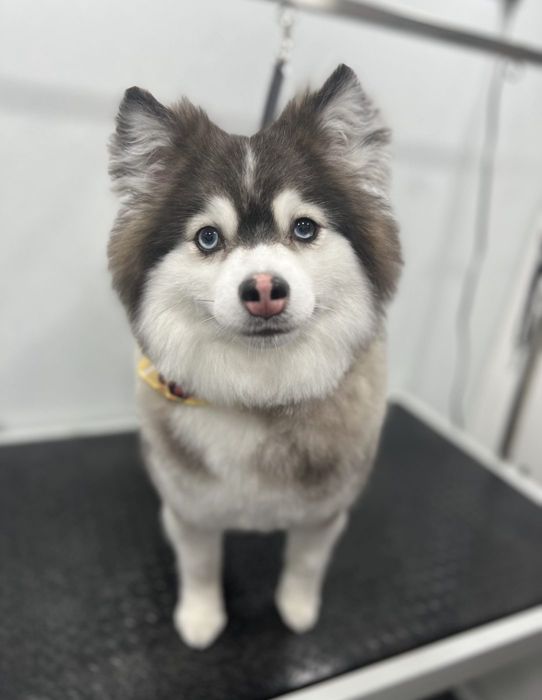
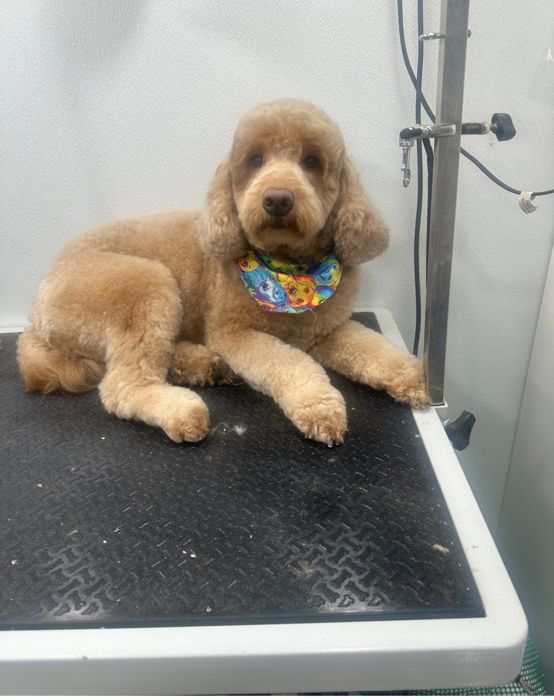
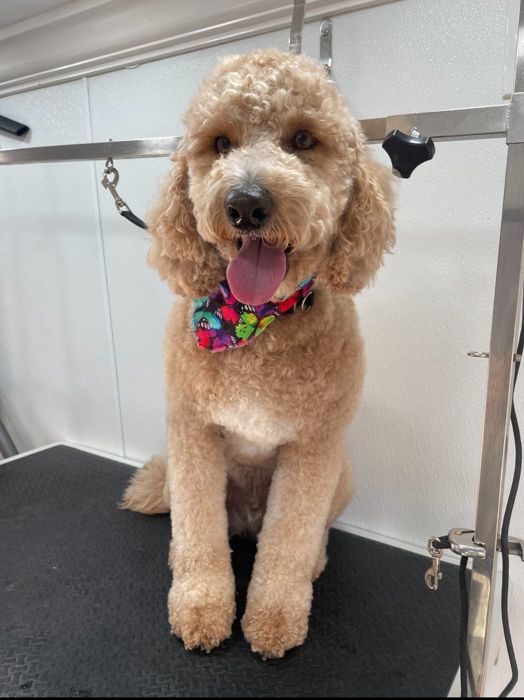
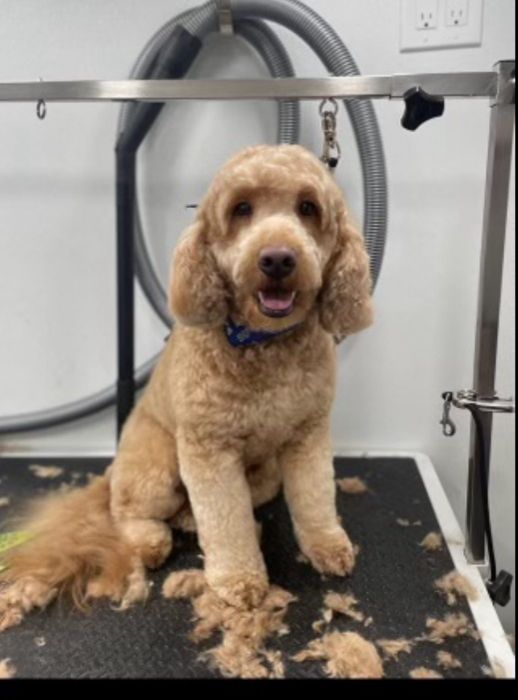
If you’re a dog owner on Long Island with a beautiful breed like a Golden Retriever, Husky, Shetland Sheepdog, or even a Pomeranian, you’re likely familiar with their luxurious double coat. This isn’t just for looks; it’s a natural marvel designed to protect your furry friend. But understanding how to care for it properly is crucial, and knowing the red flags to watch out for can save your dog discomfort and health issues.
Understanding Your Dog’s Double Coat – The “Dos”
A double coat consists of two distinct layers: a soft, dense undercoat that provides insulation against both heat and cold, and a tougher, longer outer coat (guard hairs) that repels water and dirt. The ‘do’ of double-coated grooming is all about maintaining the integrity of these layers. Regular, thorough brushing is key. This helps remove loose undercoat, prevent mats, distribute natural oils, and promote healthy skin. De-shedding services, especially during seasonal shedding, are invaluable for removing dead hair without compromising the protective outer coat.
Red Flags You Shouldn’t Ignore – The “Don’ts”
While proper care is straightforward, there are some major ‘don’ts’ that signal a problem or a misunderstanding of double coats. The biggest red flag? Shaving a double-coated dog down to the skin. Unless medically necessary (like for surgery or severe skin conditions), shaving can permanently damage the coat, disrupting its natural insulation. This leaves your dog vulnerable to sunburn, makes them less able to regulate their temperature, and can lead to ‘coat blow,’ where the coat grows back patchy or with an altered texture. Another huge red flag is severe matting. Mats aren’t just unsightly; they pull on the skin, causing pain, restricting movement, and creating a breeding ground for skin infections and parasites. If your dog’s coat is matted to the skin, it often requires a professional dematting process or, in extreme cases, careful shaving by a groomer to relieve the dog’s discomfort safely. Finally, watch for signs of skin irritation post-grooming – excessive scratching, redness, or bumps can indicate improper brushing techniques or unsuitable products.
Your double-coated dog deserves expert care that respects their natural protective layer. Don’t let misconceptions or neglect lead to uncomfortable issues for your beloved pet. If you’re on Long Island and looking for professional grooming that understands and prioritizes the health of your dog’s double coat, we’re here to help. Reach out to Zoomin Groomin Long Island for a consultation or to schedule an appointment today at doggroominglongisland.com!
