
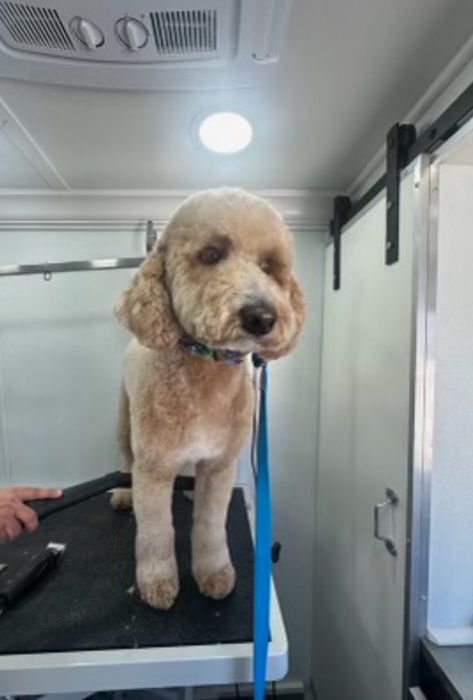
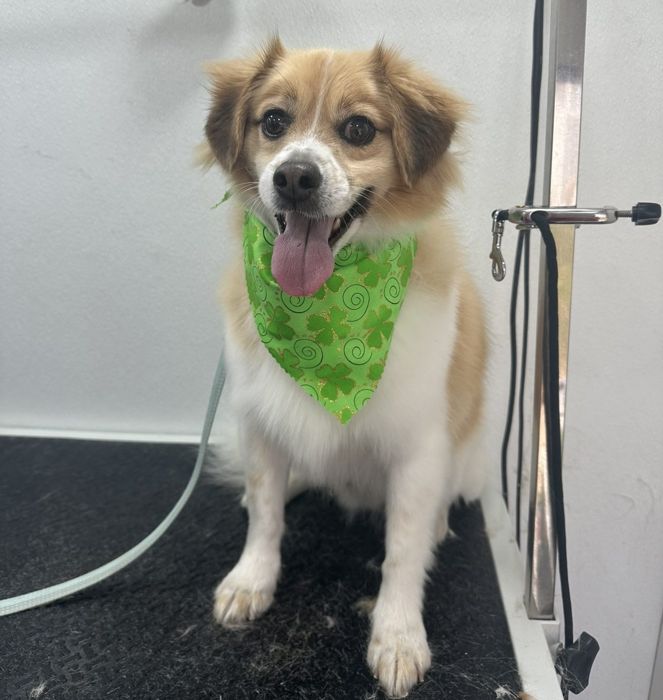
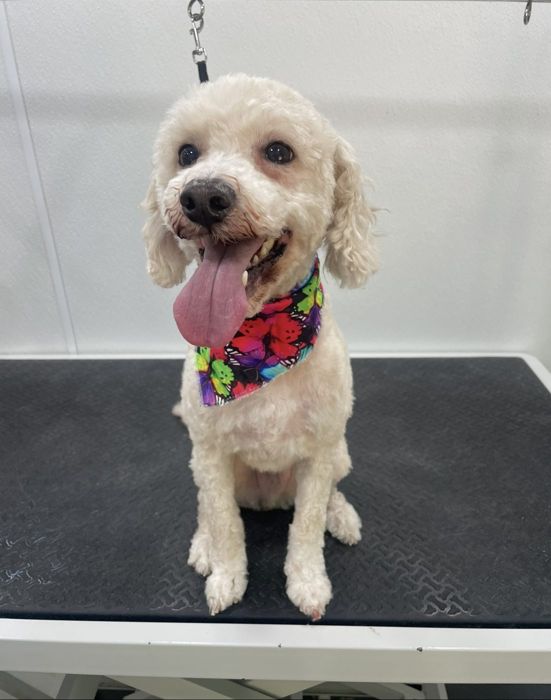


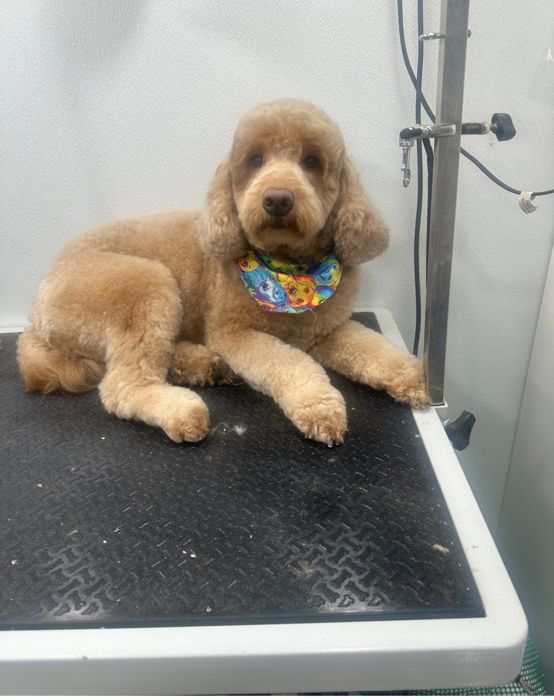
Living on Long Island with a dog often means dealing with a fair amount of shedding. From the humid summers to the chilly winters, our furry companions are constantly adjusting their coats, which frequently results in extra fur around the house. But sometimes, shedding isn’t just a natural process; it’s a sign your dog could significantly benefit from a professional de-shedding treatment.
Why Does My Dog Shed So Much? (And Why It Matters)
Shedding is completely natural for most dogs. It’s how they manage their body temperature and replace old, damaged fur with new, healthy hair. Breeds like Golden Retrievers, German Shepherds, Huskies, and many others have a “double coat”—a soft, dense undercoat for insulation and a coarser topcoat for protection. These breeds are particularly prone to heavy shedding as seasons change, or even year-round. While some shedding is unavoidable, an excessive amount can lead to more than just a messy home. Trapped undercoat can restrict airflow to the skin, potentially causing irritation, hot spots, or even painful matting if not properly managed. For us Long Island dog parents, battling fur tumbleweeds can feel like a constant chore, and excessive shedding often indicates discomfort for our pups too.
Telling Signs It’s Time for a De-Shedding Treatment
How do you know when your dog’s shedding has crossed the line from normal to needing a little extra help? Keep an eye out for these common indicators:
- A “Blizzard” of Loose Fur: If you’re constantly finding large clumps of hair on furniture, clothes, or forming ‘dust bunnies’ that are more like ‘fur bunnies,’ it’s a clear sign.
- Dull, Patchy, or Matted Coat: A heavy, unmanaged undercoat can make the outer coat look dull or uneven. If you notice mats starting to form, especially behind the ears, under the legs, or around the tail, professional intervention is crucial to prevent pain and skin issues.
- Excessive Scratching or Licking: A dense, dead undercoat can be incredibly itchy and uncomfortable for your dog. They might be trying to relieve the irritation by scratching or licking themselves more than usual.
- Increased Dander: While not strictly shedding, excessive dander often goes hand-in-hand with an unhealthy coat that isn’t shedding properly, contributing to allergies for sensitive owners.
- Seasonal Shifts: Pay close attention during spring and fall. These are peak times for ‘blowing coat,’ where dogs shed their old seasonal undercoat to make way for a new one. A professional de-shedding treatment during these periods can significantly ease the transition.
Recognizing these signs early can save your dog from discomfort and save your home from becoming a fur factory. A professional de-shedding treatment doesn’t just reduce the amount of hair in your house; it promotes a healthier coat and skin, improves circulation, and keeps your furry friend much more comfortable, especially in our diverse Long Island climate.
Ready to give your beloved companion the relief and comfort they deserve? Don’t let excess fur take over your home or cause discomfort for your dog. Contact Zoomin Groomin Long Island today to schedule a professional de-shedding treatment tailored to your dog’s specific needs!
