
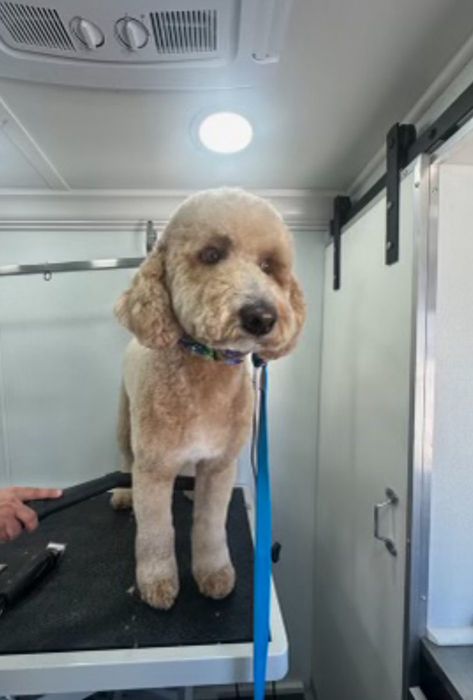
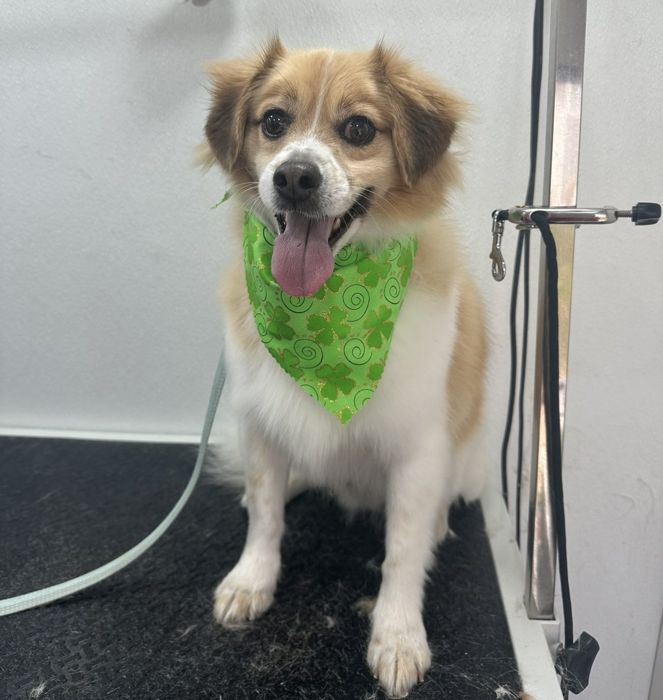
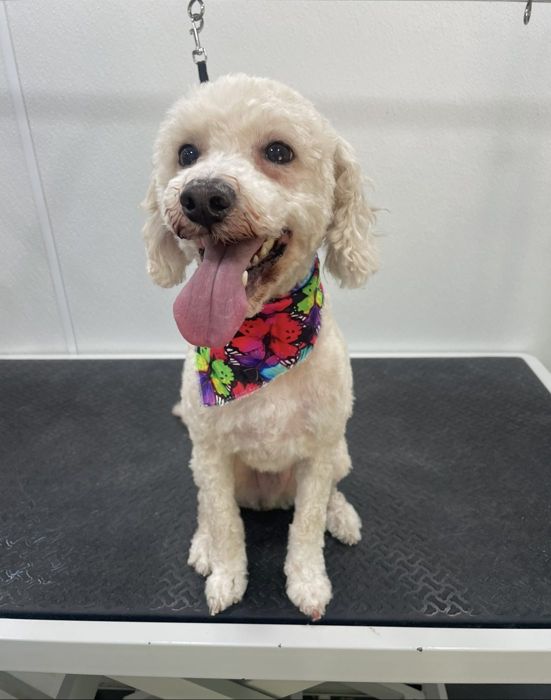
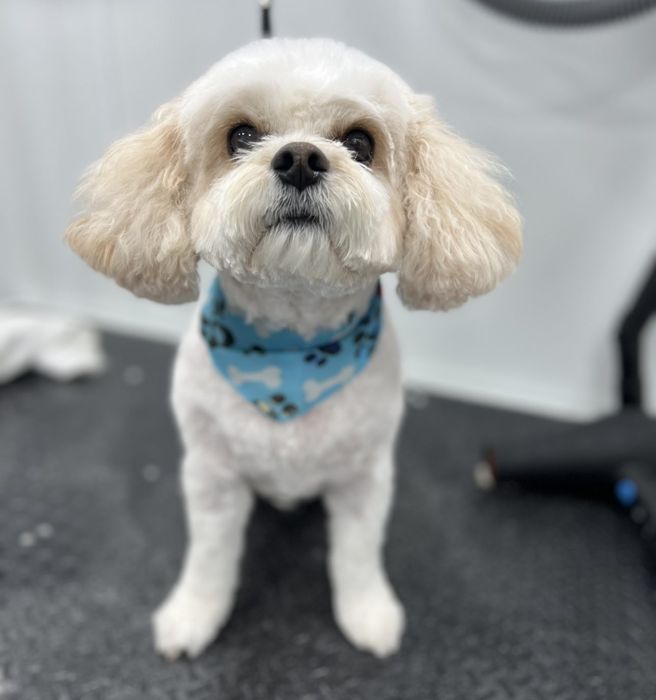
Long Island summers are a glorious time for both people and their canine companions. From romps in the park to sandy adventures along our beautiful coastline, there’s no shortage of outdoor fun to be had. However, the unique combination of Long Island’s intense humidity, salt air, and pollen-rich environment can present significant challenges for maintaining your dog’s coat health. Neglecting proper seasonal care can lead to uncomfortable matting, skin irritations, and even overheating, turning what should be a joyful season into a struggle for your furry friend. Understanding how our local climate impacts your dog’s specific coat type is the first step in ensuring they stay cool, comfortable, and healthy all summer long. This isn’t just about aesthetics; it’s about their overall well-being in the New York summer heat.
Understanding Long Island’s Summer Impact on Your Dog’s Coat
Long Island’s geographic position means our summers are characterized by high humidity, often exacerbated by ocean proximity. This moisture in the air is a primary culprit for coat issues. For dogs, especially those with longer, thicker, or double coats, humidity can cause hair to clump together, accelerating the matting process. These mats aren’t just unsightly; they pull on the skin, causing pain and creating prime breeding grounds for bacteria, leading to painful hot spots or other skin infections. Furthermore, our beautiful beaches and waterways, while fantastic for a swim, expose your dog’s coat and skin to salt, sand, and other minerals that can be drying, irritating, and can further tangle their fur if not properly rinsed. Local flora also contributes to seasonal allergens and burrs, which can easily become embedded in their coats during walks on nature trails or even in your backyard. Each of these elements works in concert, making proactive summer coat care not just beneficial, but essential for Long Island dogs.
Essential Summer Grooming Strategies for Long Island Dogs
To combat the specific challenges of a Long Island summer, a strategic approach to grooming is key. Regular and thorough brushing is paramount. Increased humidity and outdoor activity mean a greater chance of tangles and mats forming, so brushing at least every other day, and ideally daily for long-haired or double-coated breeds, is crucial. This helps remove loose undercoat, prevents matting, and distributes natural oils. When it comes to bathing, it’s not just about getting them clean; it’s about rinsing away salt, sand, pollen, and sweat. Use a high-quality, moisturizing dog shampoo that won’t strip essential oils, and always ensure a thorough rinse to prevent residue buildup. For dogs that frequent the beaches or lakes, a quick fresh water rinse immediately after swimming can make a world of difference before a full bath is needed. Regarding trimming, it’s a common misconception that shaving a double-coated dog will keep them cooler. In fact, their undercoat provides insulation against both heat and cold, and shaving can disrupt their natural temperature regulation and expose them to sunburn. Instead, focus on sanitary trims around the hindquarters, paw pads, and a general tidy-up to keep them neat and comfortable, preventing heat from getting trapped in denser areas. Additionally, don’t overlook ear cleaning, especially for floppy-eared breeds who swim often, to prevent moisture-related infections. Regular nail trims are also important, as increased outdoor activity means more wear, but overgrown nails can still cause discomfort.
Beyond the Grooming Table: At-Home Care Tips for a Healthy Summer Coat
While professional grooming lays a vital
