
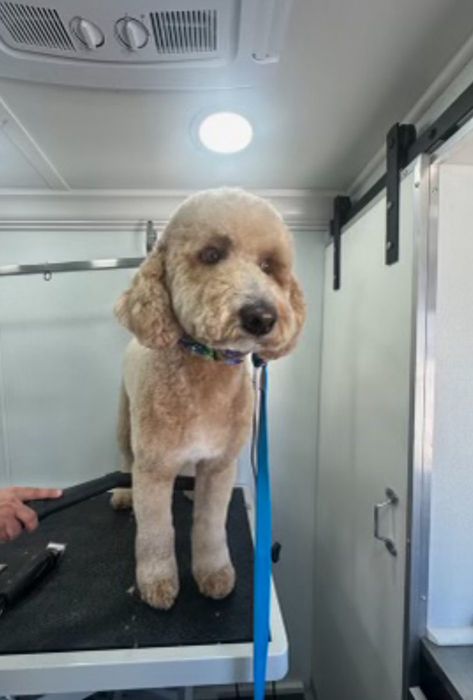
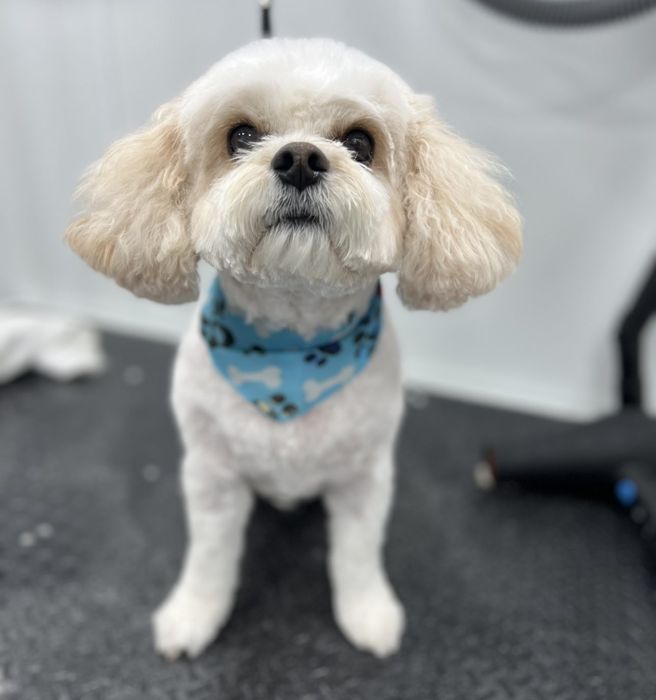
As devoted dog parents across Long Island, we all want our furry companions to live their healthiest, happiest lives. Yet, many of us are familiar with the tell-tale signs of discomfort: incessant scratching, head shaking, or irritated skin. Skin and ear issues are incredibly common among dogs, often causing significant distress for both pets and their owners. While sometimes these problems require veterinary intervention, the good news is that professional grooming plays an incredibly vital, often underestimated, role in preventing, managing, and even helping to detect these conditions early on.
At Zoomin Groomin, we frequently receive questions from concerned Long Island dog owners about how grooming can truly make a difference for their pets’ skin and ear health. We’ve compiled some of the most frequently asked questions and their answers to shed light on this crucial aspect of canine care. Understanding the link between regular grooming and your dog’s well-being can help you keep them comfortable and thriving in our beautiful, but sometimes challenging, Long Island environment.
Understanding Common Skin Issues in Dogs & How Grooming Helps
Dogs on Long Island face a variety of skin challenges, from environmental allergens that bloom throughout the seasons to the humidity that can exacerbate existing conditions. Grooming isn’t just about aesthetics; it’s a proactive defense against many dermatological problems.
Q: What are some common skin issues dogs on Long Island face, and how can grooming address them?
A: Many Long Island dogs suffer from seasonal allergies, which can manifest as itchy, red, or flaky skin. Hot spots, bacterial or yeast infections, and dry, brittle skin are also prevalent. Grooming can significantly help. Regular bathing with appropriate hypoallergenic or medicated shampoos (recommended by your vet) can wash away allergens, soothe irritation, and treat existing infections. Our professional groomers use high-quality products designed for sensitive skin, ensuring your dog gets the relief they need. Proper rinsing is crucial to prevent residue buildup, which can irritate skin, and thorough drying prevents moisture trapping that often leads to fungal or bacterial growth.
Q: How does professional grooming specifically alleviate these skin problems, especially matted fur?
A: Beyond bathing, a professional groomer’s expertise in brushing and dematting is critical. Matted fur creates a breeding ground for bacteria, fungus, and parasites. It pulls on the skin, causing pain, restricting airflow, and preventing proper cleaning and drying. Severe matting can even hide underlying wounds or infections. Our skilled groomers carefully remove mats, often requiring precise clipping, to free the skin, allow it to breathe, and enable effective treatment of any hidden issues. Regular brushing removes dead undercoat and loose hair, which improves circulation, stimulates natural skin oils, and helps prevent future matting, all contributing to a healthier coat and less irritated skin.
Ear Health: Why Grooming is Essential for Preventing & Managing Infections
Ear infections are notoriously uncomfortable for dogs and a frequent complaint among Long Island pet parents. The structure of a dog’s ear canal, especially for breeds with floppy ears, makes them particularly susceptible to moisture and debris accumulation. Grooming plays a key role in maintaining optimal ear health.
Q: Why are dog ears so prone to infection, especially in our Long Island climate, and what are the signs?
A: Our humid Long Island climate provides an ideal environment for yeast and bacteria to thrive in warm, dark, moist places like a dog’s ear canal. Breeds with long, floppy ears (like Beagles or Cocker Spaniels) or those with excessive hair growth inside the ear canal (like Poodles or Schnauzers) are particularly vulnerable because airflow is restricted. Signs of an ear infection include head shaking, scratching at the ears, redness, swelling, discharge (yellow, brown, or black), a foul odor, or sensitivity when the
