
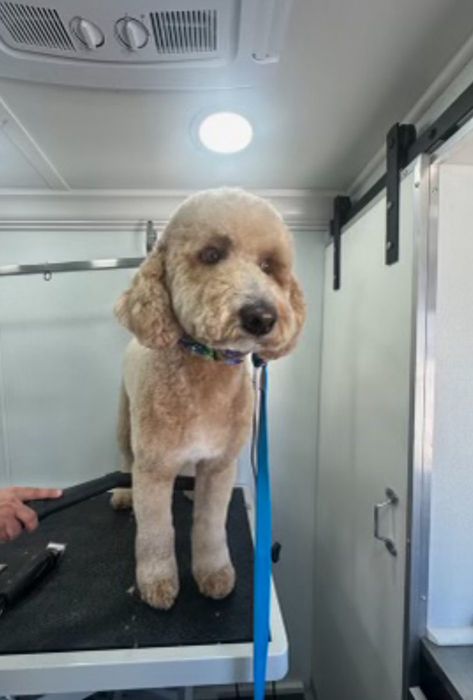
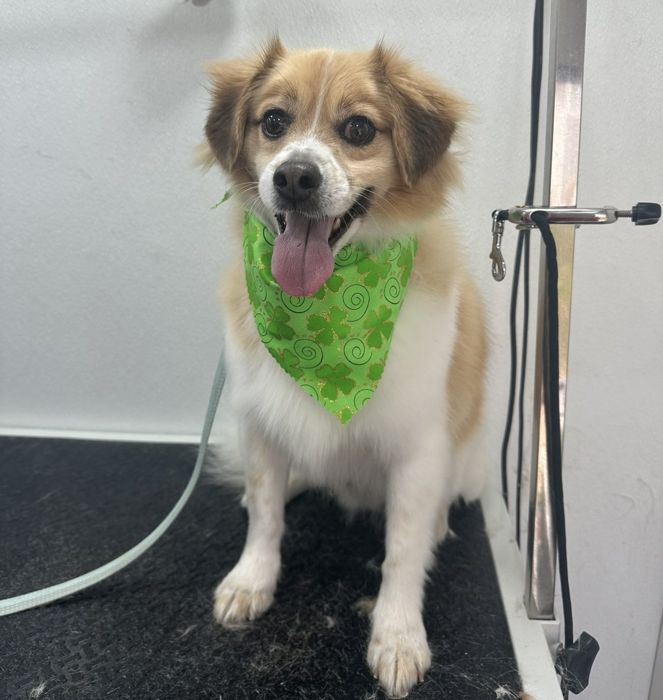
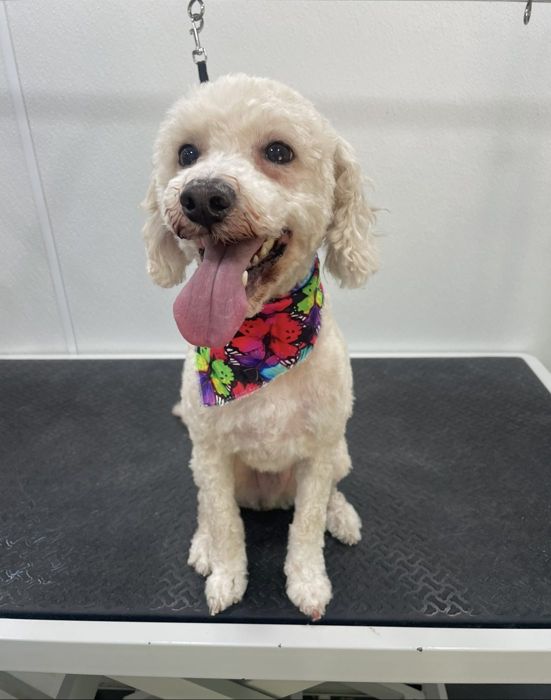

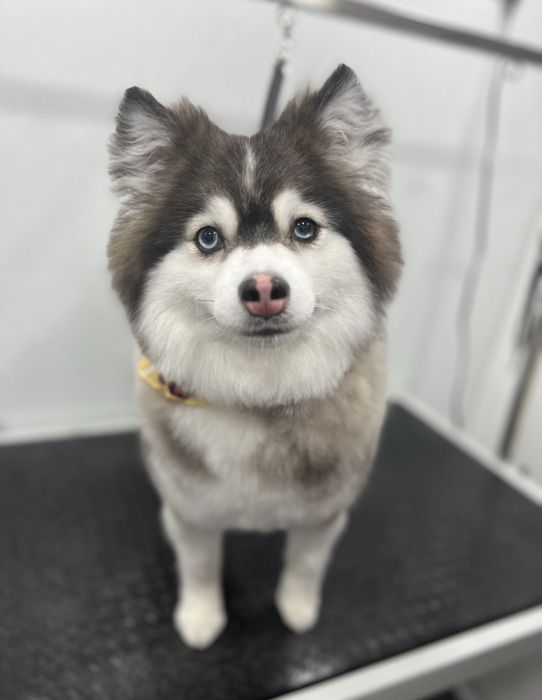
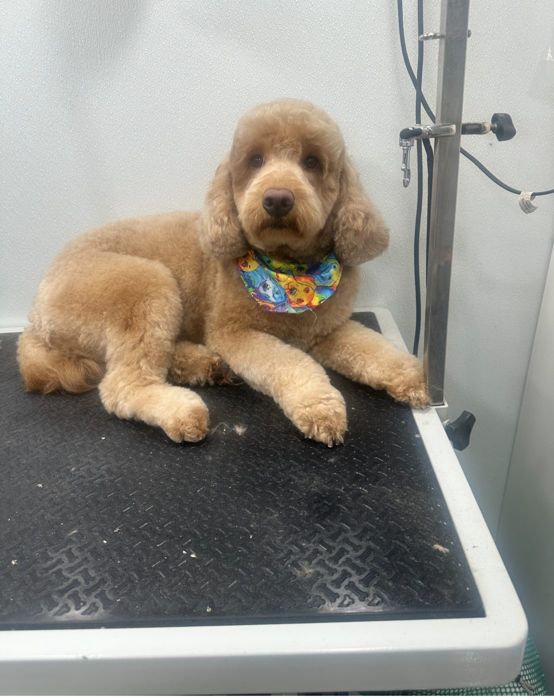
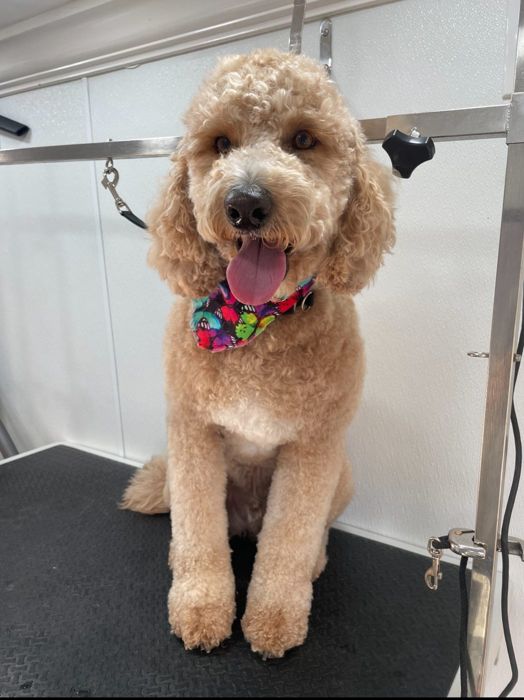
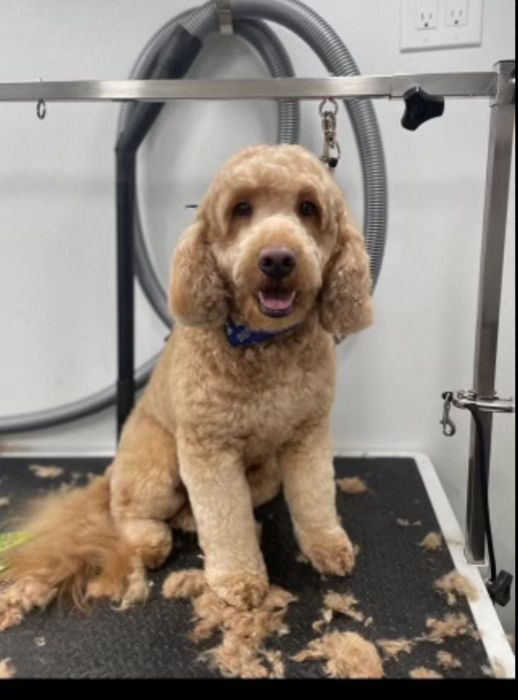
As the vibrant Long Island summer swings into full gear, bringing with it sun-drenched beaches, humid days, and endless opportunities for outdoor adventures, our furry companions need a little extra attention to stay comfortable and healthy. From splashing in the Long Island Sound to romping in local parks, our dogs’ coats are exposed to unique challenges during these warmer months. Proper grooming isn’t just about aesthetics; it’s crucial for their skin health, temperature regulation, and overall well-being. To help you navigate the nuances of summer coat care, we’ve put together a list of frequently asked questions, offering practical answers tailored for Long Island dog owners.
Demystifying Summer Shedding and Shaving
The summer season often brings a flurry of questions about managing your dog’s coat, especially concerning shedding and the age-old debate about shaving. Understanding your dog’s specific coat type and its natural functions is key to making informed decisions.
Should I shave my dog for summer to keep them cool?
This is one of the most common questions we hear, and the answer, for most breeds, is a resounding no. Many dogs, especially those with double coats like Golden Retrievers, Huskies, German Shepherds, and Pomeranians, rely on their coat for insulation. Their outer coat protects them from harmful UV rays and insulates them from the heat, while the soft undercoat provides warmth in winter and helps regulate temperature in summer. Shaving these breeds can disrupt their natural cooling system, making them more susceptible to sunburn, heatstroke, and improper coat regrowth, which can lead to patchy areas or a coarse texture. For single-coated breeds like Poodles or Shih Tzus, a shorter, summer-appropriate trim can be beneficial, but it’s still important to leave enough length for protection. Discussing your dog’s specific breed and coat type with a professional groomer is always the best approach.
Why is my dog shedding so much in the summer? Is it normal?
Yes, increased shedding during the summer is entirely normal for many breeds, particularly those with double coats. Dogs “blow their coat” as the seasons change, shedding their dense winter undercoat to make way for a lighter, thinner summer coat. This natural process helps them adapt to the warmer temperatures on Long Island. While it’s a normal physiological function, managing this shedding is crucial. Excessive loose hair can get trapped in the coat, forming mats that restrict airflow to the skin, leading to discomfort, skin irritation, and even hot spots. Regular de-shedding treatments performed by a professional groomer, combined with consistent at-home brushing, are essential to keep your dog comfortable and healthy during this period.
Essential Grooming Practices for Long Island Summers
Summer on Long Island means more outdoor adventures – trips to local parks, strolls along the beach, and backyard playtime. These activities, while fun, increase the need for consistent and specific grooming practices to maintain your dog’s well-being.
How often should my dog be groomed during the summer months?
The frequency of professional grooming depends on your dog’s breed, coat type, and activity level, but generally, summer calls for more frequent attention. For most dogs, a professional grooming every 4-6 weeks is ideal. Dogs who spend a lot of time swimming in the ocean or playing in sandy areas may benefit from more frequent baths or mini-grooming sessions to prevent salt and sand buildup, which can irritate the skin and lead to matting. Regular grooming helps remove dead hair, prevents mats that trap heat, keeps skin healthy, and allows for early detection of any skin issues or parasites.
What special considerations should I take for my dog’s paws and ears in summer?
Long Island summers can be tough on paws. Hot asphalt and pavement can cause painful burns, so always check the surface temperature before walks. Sand from beach trips can also be abrasive. Keep paw pads trimmed to prevent slipping and to allow debris to be easily seen and removed. Consider using paw balms for hydration and
