
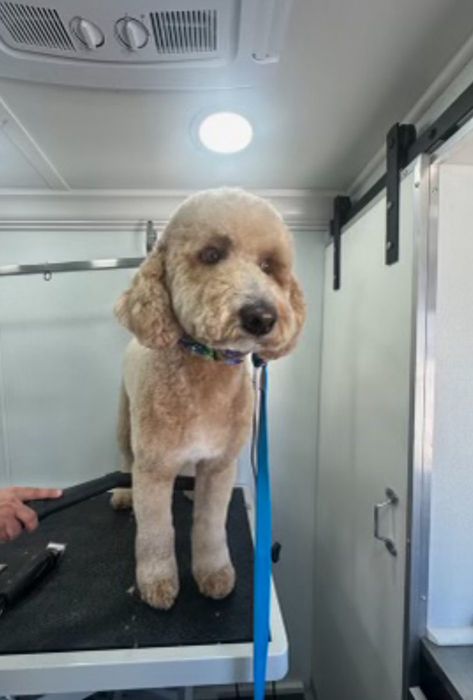
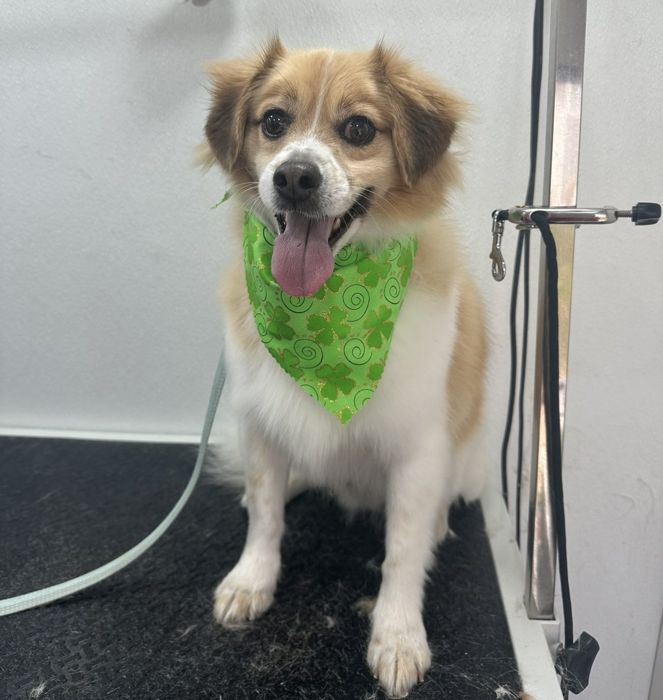
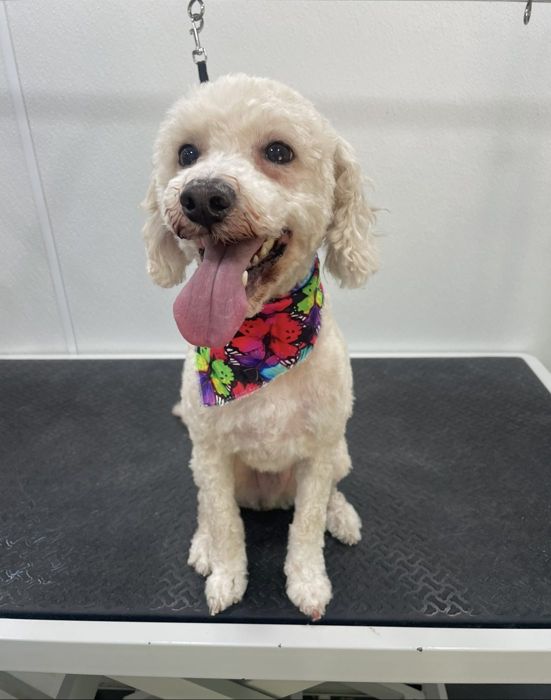
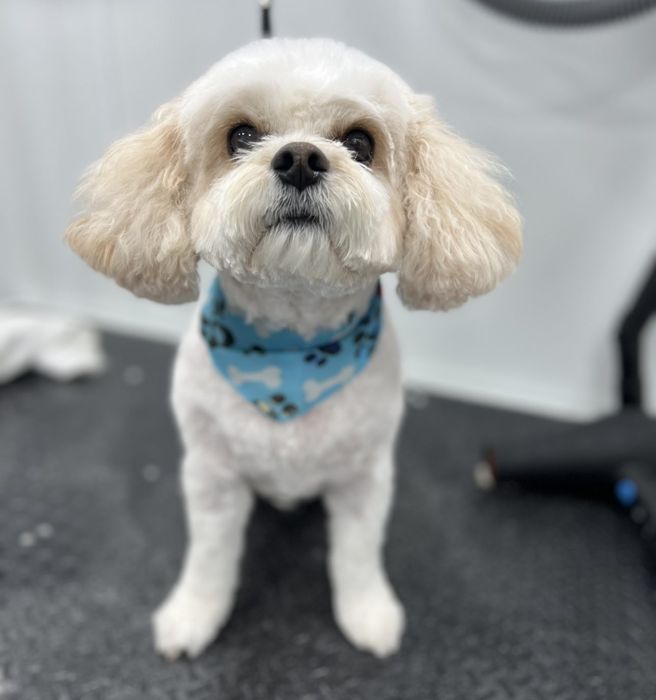
As a devoted Long Island dog owner, you want the very best for your furry family member. You likely cherish their quirky habits, their joyful greetings, and even their lazy snoozes on the couch. But when it comes to grooming, that deep affection can turn into deep concern, especially if your beloved pup is prone to anxiety. For many dogs, grooming isn’t just a routine chore; it can be a source of significant stress, transforming what should be a pampering session into a dreaded ordeal.
You’ve probably asked yourself: Is there a better way? Is the traditional grooming salon truly the best environment for my anxious dog, or could a different approach offer the calm and comfort they deserve? These are questions grooming professionals on Long Island hear all the time, and we understand the dilemma. Let’s dive into what makes grooming such a challenge for nervous canines and why understanding the differences between mobile and salon grooming is crucial for your pet’s well-being.
The Hidden Stressors of Traditional Grooming Salons for Anxious Pups
Imagine being dropped off in a bustling, unfamiliar place, filled with strange smells, loud noises, and other nervous individuals. That’s often what a traditional grooming salon feels like for an anxious dog. While many salons do their best to create a welcoming atmosphere, the inherent nature of their operation can be overwhelming for sensitive pets. From the moment you arrive, several factors begin to stack up, contributing to your dog’s stress levels.
First, there’s the sensory overload. The sheer volume of different dog breeds, each with their unique scent, can be disorienting. Add to that the constant chorus of barking, the whirring of high-velocity dryers, and the buzzing of clippers, and it quickly becomes an auditory nightmare. For a dog whose hearing is far more acute than ours, this cacophony can be intensely distressing, leading to heightened fear and reactivity.
Then, there’s the unpredictable environment itself. Dogs thrive on routine and familiarity. A salon, with its ever-changing cast of canine characters and human handlers, offers little in the way of consistent comfort. Your dog might be handled by multiple groomers throughout their stay, or spend significant time crated in an unfamiliar space while waiting for their turn or for pickup. This separation from their primary caregiver, combined with confinement in an unfamiliar crate, can trigger significant separation anxiety and feelings of abandonment.
Finally, let’s not forget the car ride to and from the salon. For many Long Island dogs, car travel itself is a source of anxiety, adding another layer of stress before the grooming even begins. By the time they arrive, they might already be in an elevated state of nervousness, making the grooming process even more challenging for both them and the groomer.
How Mobile Grooming Transforms the Experience for Nervous Canines
Understanding these stressors makes the appeal of mobile grooming for anxious dogs crystal clear. Imagine reversing every single one of those stress factors; that’s precisely what a professional mobile grooming service offers. It’s a personalized, serene experience designed to minimize anxiety and maximize comfort, all within the familiar vicinity of your Long Island home.
The most significant advantage is the elimination of travel anxiety. Your dog doesn’t have to endure a stressful car ride to a foreign place. Instead, a fully equipped, climate-controlled grooming salon on wheels pulls right up to your driveway. This proximity to home provides an immediate sense of security and familiarity, reducing the initial spike of anxiety that often accompanies a trip to a traditional salon.
Once inside the mobile grooming van, your dog receives undivided, one-on-one attention from a single, consistent groomer. There are no other dogs, no barking choruses, and significantly less background noise. The environment is calm, quiet, and entirely focused on your pet. This personalized approach allows the groomer to move at your dog’s pace, offering gentle reassurance and taking breaks as needed. It
