
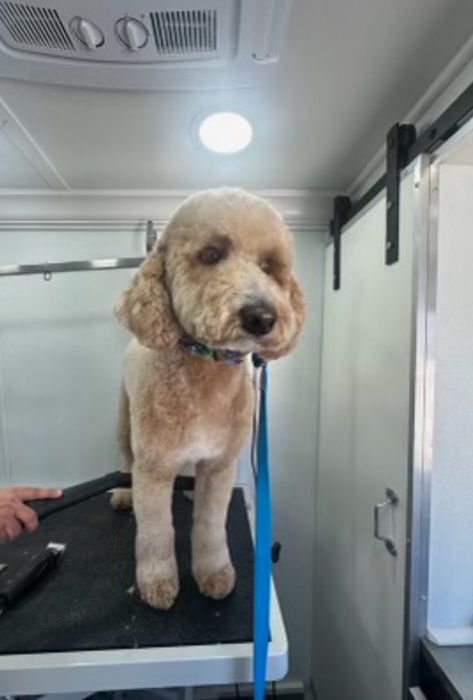
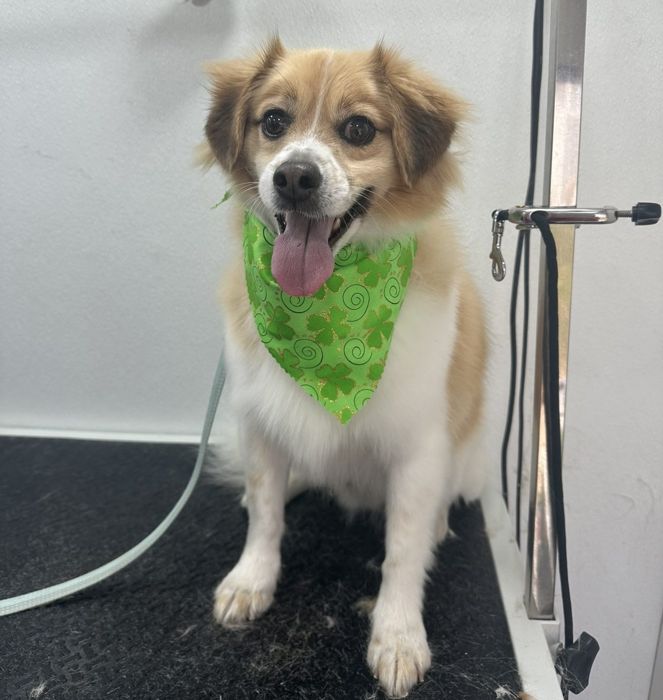
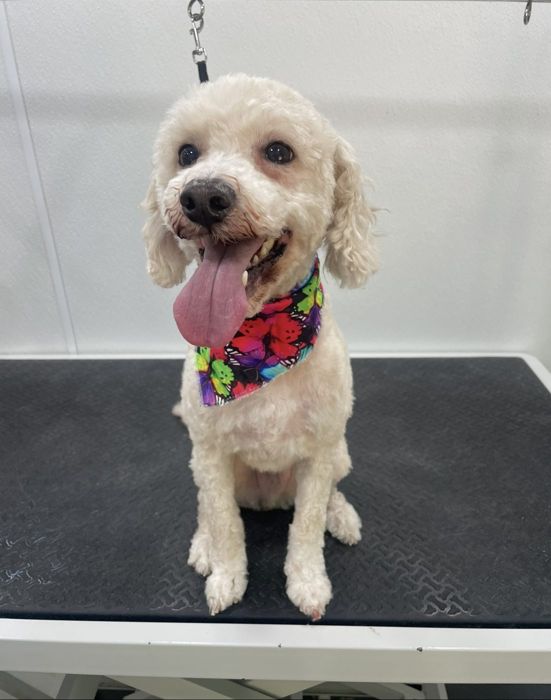
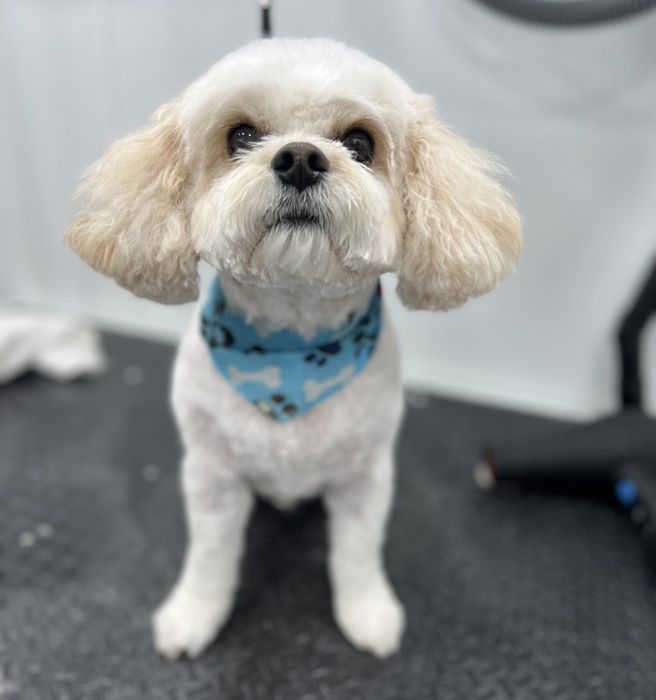
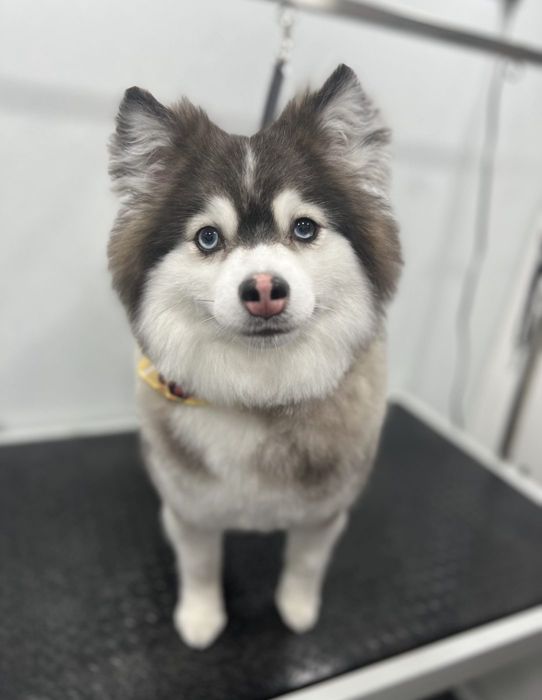
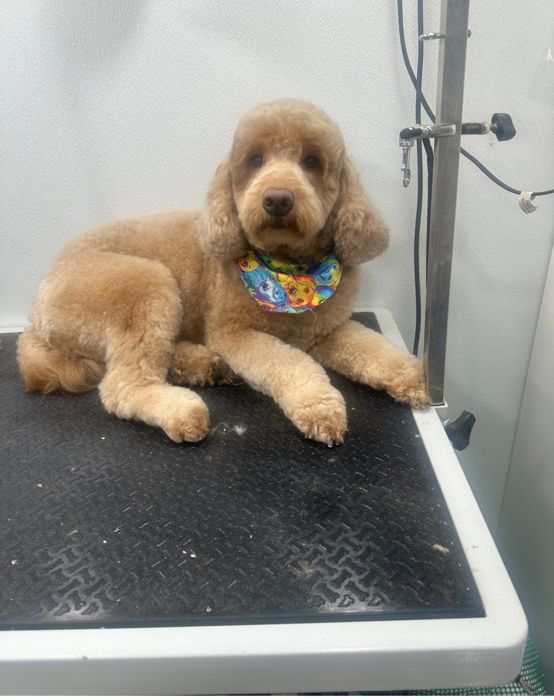
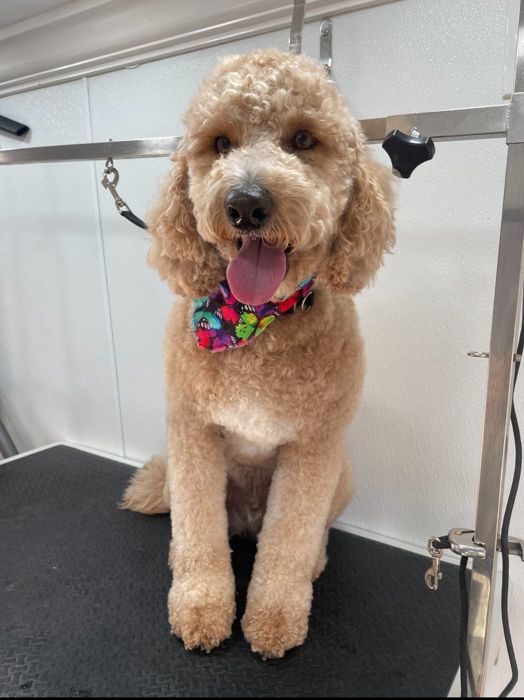
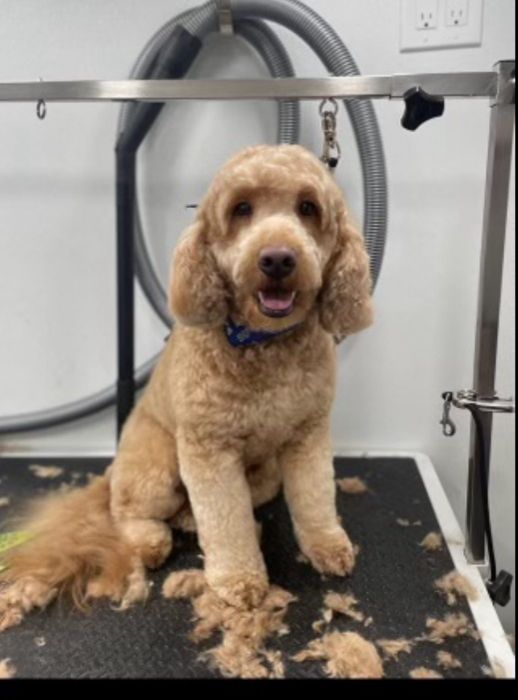
Our senior dogs hold a special place in our hearts. Their greying muzzles and slower gaits tell tales of years of unconditional love and companionship. As they age, however, their needs change, and routine tasks like grooming can become more challenging, especially if they’re dealing with health issues like arthritis, hearing loss, or sensitive skin. But don’t worry – with a little extra care and understanding, grooming can remain a positive experience for your beloved older companion. Here’s a step-by-step breakdown of how to approach grooming senior dogs with health concerns.
Understanding Their Needs & Preparing
Before you even pick up a brush, the most crucial step is to understand your senior dog’s specific health challenges. Have a candid conversation with your veterinarian about their mobility, pain levels, skin condition, and any cognitive changes. This information is vital for tailoring a grooming plan. Many senior dogs benefit from shorter, more frequent grooming sessions to avoid over-tiring them. Choose a warm, quiet environment to reduce stress, and ensure you have a non-slip surface if bathing at home. Gather all your tools beforehand – soft brushes, gentle shampoos, and plenty of treats for positive reinforcement.
The Gentle Grooming Process
Once you’re ready, approach each step with patience and a gentle touch:
1. Brushing: Use a soft-bristled brush or a rubber curry comb. Start with short, gentle strokes, paying attention to any mats that might be forming. Always support their joints, especially if they have arthritis. Keep an eye out for any new lumps, bumps, or skin irritations.
2. Bathing: If bathing at home, use lukewarm water and a non-slip mat in the tub. Opt for a hypoallergenic, tear-free shampoo designed for sensitive skin. Work quickly and efficiently, rinsing thoroughly to prevent skin irritation. Ensure their head is supported and avoid getting water in their ears.
3. Drying: Towel dry as much as possible, then use a low-heat, quiet dryer if necessary. Keep the dryer moving to avoid hot spots, or simply let them air dry in a warm room. Ensure they are completely dry, especially in areas prone to dampness like armpits and paw pads, to prevent skin issues.
4. Nail Trims: Longer nails can be painful for senior dogs, especially those with mobility issues. If trimming yourself, use sharp clippers and take off small amounts at a time. If your dog is anxious or you’re unsure, it’s best to leave this to a professional or your vet.
5. Ear & Eye Cleaning: Gently wipe around their eyes with a damp cloth to remove any discharge. For ears, use a vet-approved cleaner and cotton balls, never cotton swabs directly in the ear canal. Check for redness, odor, or excessive wax, which could indicate an infection.
Post-Grooming Comfort & Professional Help
After grooming, offer praise, treats, and plenty of cuddles. Allow them to rest and monitor them for any signs of discomfort. Remember, consistency is key, but so is knowing when to seek professional help. Professional groomers, especially those experienced with senior dogs, can make a world of difference. They have specialized equipment, techniques, and the patience required to make the experience comfortable and safe.
At Zoomin Groomin Long Island, we understand the unique needs of senior dogs with health challenges. Our experienced team is dedicated to providing compassionate, gentle, and tailored grooming services to ensure your elderly companion looks and feels their best, without added stress. Let us help keep your senior dog comfortable and happy in their golden years. Visit us at doggroominglongisland.com to learn more and schedule a consultation today!
