

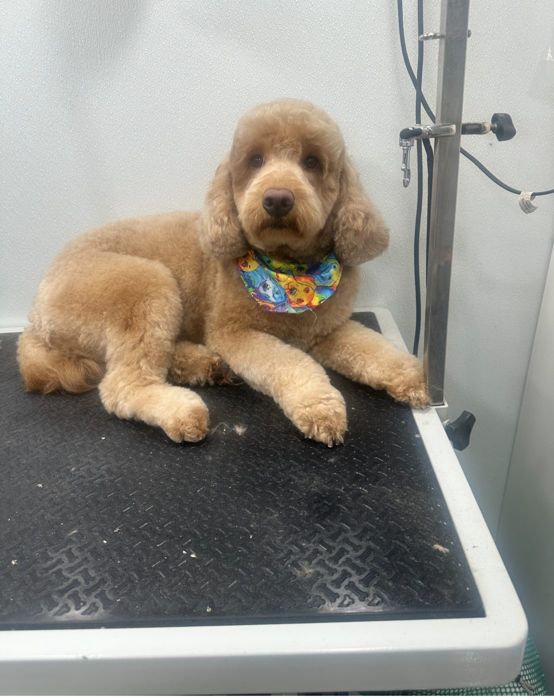
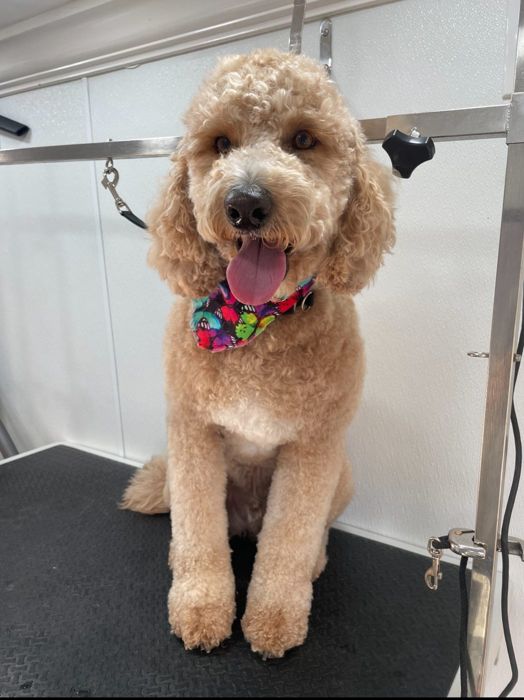
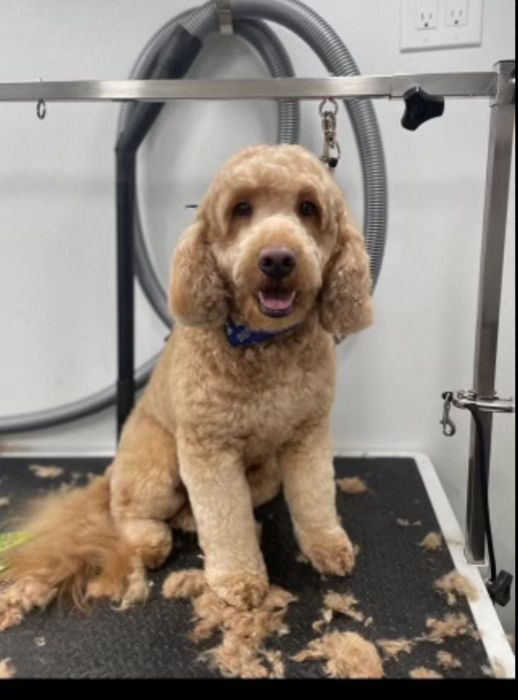
As the days grow longer and the sun shines brighter, Long Island truly comes alive for our furry best friends. From romping on the sandy shores of the Hamptons to exploring the lush trails of Suffolk and Nassau counties, summer on Long Island offers endless adventures for dogs and their owners. But with all that fun in the sun, comes the unique challenge of maintaining your dog’s coat and skin health in our specific climate. The combination of heat, humidity, salt water, and allergens means your dog’s summer coat care needs a strategic approach. Neglecting their grooming routine during these warmer months can lead to uncomfortable matting, skin irritations, and overheating. This guide will walk you through essential tips tailored for Long Island dog owners, ensuring your beloved companion stays cool, comfortable, and stylish all season long.
Understanding Long Island’s Summer Climate and Your Dog’s Coat
Long Island summers are glorious, but they bring a specific set of environmental factors that directly impact your dog’s coat. High humidity levels can exacerbate matting, especially in longer or double-coated breeds. A quick dip in the Atlantic Ocean or even a freshwater pond can leave behind salt or residue, which, if not properly rinsed, can dry out skin and hair, or lead to tangles. Furthermore, our beautiful landscapes mean a higher prevalence of pollen, grass, and other allergens that can irritate sensitive skin, often hidden beneath a dense coat. Understanding how these local conditions interact with your dog’s specific coat type is the first step to effective summer care.
Many Long Island dog owners mistakenly believe that shaving a double-coated dog, like a Golden Retriever or a Siberian Husky, will keep them cooler. In reality, a double coat acts as natural insulation, trapping a layer of air that keeps them both warm in winter and cool in summer, while also protecting them from sunburn and insect bites. Shaving can disrupt this natural system, leading to poor regrowth, skin damage, and an increased risk of sunburn. Instead, proper deshedding and thinning of the undercoat are crucial to allow air circulation and maintain the coat’s protective qualities. Single-coated breeds, like Poodles or Shih Tzus, might benefit from shorter cuts to manage matting and keep them tidy, but still need regular care to prevent discomfort. Even short-haired breeds like Bulldogs or Boxers are susceptible to sunburn and heat, and their coats benefit from regular cleaning to remove sweat and environmental irritants.
Essential Grooming Practices for LI Summer
A consistent grooming routine is your best defense against summer coat woes. For most Long Island dogs, especially those with longer or thicker coats, daily brushing is non-negotiable. This isn’t just about aesthetics; regular brushing removes loose hair, preventing painful mats from forming, which are common with increased humidity and outdoor activity. Mats can pull on the skin, cause discomfort, and even hide skin infections. For double-coated breeds, invest in a good deshedding tool to help remove the dead undercoat, allowing better airflow and reducing shedding around your home. For single coats, a slicker brush and comb are often sufficient to keep tangles at bay.
Bathing frequency might increase in summer due to more outdoor playtime, trips to the beach, or simply to cool your dog down. However, over-bathing can strip natural oils, leading to dry, itchy skin. Use a high-quality, moisturizing dog shampoo designed for their skin type. Always rinse thoroughly—any shampoo residue can cause irritation. After a swim in the ocean or a muddy adventure in one of Long Island’s parks, a quick rinse with fresh water is essential to remove salt, sand, or debris. More importantly, ensure your dog is completely dry, especially deep into their undercoat, to prevent hot spots and fungal infections that thrive in damp, warm environments. A high-velocity dryer, if available, is incredibly effective for this.
Beyond the coat, pay attention to paws and ears. Long Island’s hot pavement can burn paw pads, and sand can get lodged between toes, causing irritation. Trim the hair between their paw pads to prevent matting and improve traction. After walks, check their paws for thorns, ticks, or foreign objects. Ears, especially floppy ones, are prone to infections in humid weather or after swimming. Regularly clean your dog’s ears with a vet-approved solution to prevent moisture buildup and bacterial growth. Finally, don’t forget nail trims. Active summer months mean more wear and tear, but overgrown nails can still cause discomfort and affect your dog’s gait. Regular trims are crucial for their overall comfort and joint health.
Protecting Your Dog’s Skin and Health Outdoors
Summer on Long Island means more sun exposure, and just like humans, dogs can get sunburned, especially those with light-colored fur, thin coats, or pink skin on their nose and ears. Consider applying a pet-safe sunscreen (always check the ingredients to ensure it’s zinc-oxide free, as zinc is toxic to dogs if ingested) to vulnerable areas before a long day at Robert Moses State Park or a stroll around Port Jefferson. If your dog is prone to skin sensitivities, increased sun exposure can also exacerbate certain conditions. Always provide ample shade and never leave your dog unsupervised in direct sunlight for extended periods.
Parasite prevention is paramount during Long Island’s warmer months. Ticks and fleas are abundant in our wooded areas, tall grasses, and even suburban backyards. Ensure your dog is on a veterinarian-approved flea and tick preventative, and conduct thorough “tick checks” after every outdoor excursion. Pay close attention to ears, armpits, groin, and between toes. Early detection and removal are key to preventing tick-borne illnesses common in our region. Mosquitoes also pose a threat, carrying heartworm, so consistent heartworm prevention is equally vital.
Summer also brings an increase in environmental allergens, from pollen to certain grasses. If your dog is scratching more than usual, developing hot spots, or experiencing skin redness, they might be suffering from seasonal allergies. Regular bathing can help rinse away allergens from their coat, but if symptoms persist, a visit to your veterinarian for diagnosis and treatment options is advisable. Lastly, always ensure your dog has access to fresh, cool water. Dehydration is a serious risk in the Long Island summer heat, especially during exercise or long walks. Portable water bowls are a must for any outing.
By staying vigilant with these essential summer grooming and health practices, you can ensure your dog enjoys all the best parts of Long Island summer without the discomfort of matting, skin issues, or overheating. Consistent care isn’t just about cleanliness; it’s about comfort, health, and strengthening the bond you share with your canine companion. If tackling these comprehensive tasks feels overwhelming or you simply want the peace of mind that comes with professional care, Zoomin Groomin Long Island is here to help. Our expert mobile groomers bring top-tier service right to your driveway, offering convenient, stress-free grooming tailored to your dog’s specific needs, all across Long Island. We understand the local environment and are equipped to keep your dog looking and feeling their best, no matter what summer throws their way.
Book a mobile grooming appointment at https://doggroominglongisland.com.
