
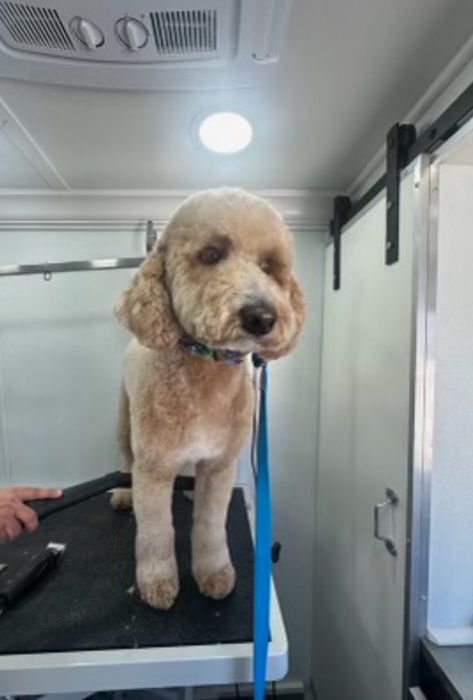
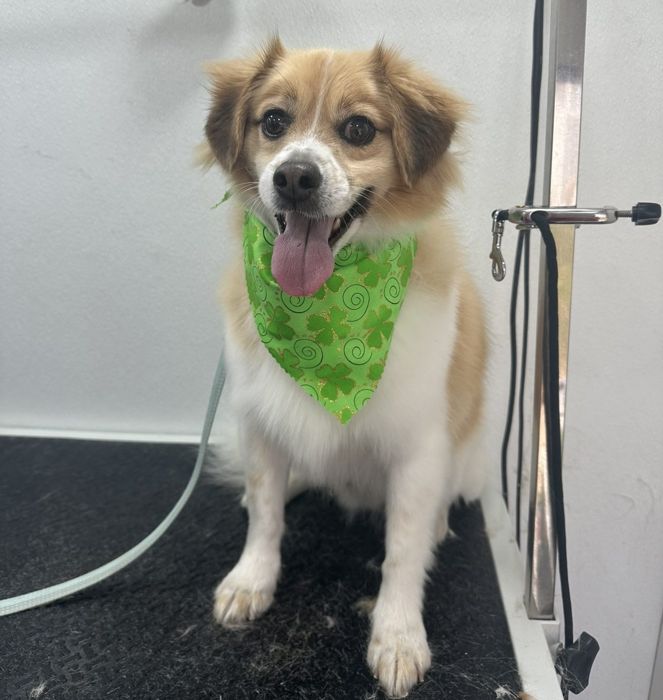
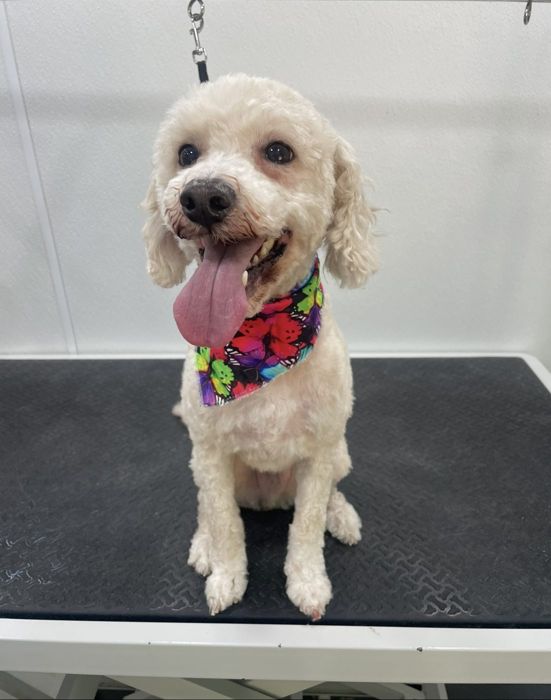
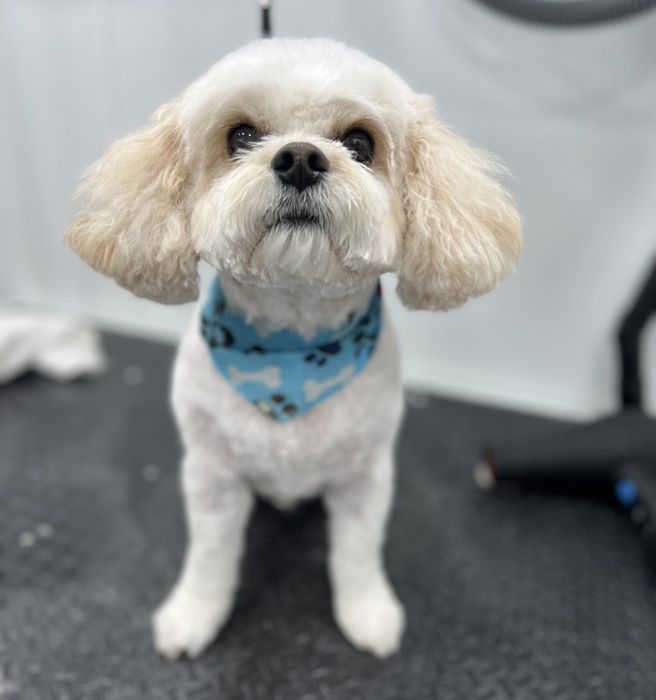
Long-haired breeds are gorgeous. They’re also a grooming commitment that catches a lot of new owners off guard. Here’s the practical version of what you need to know to keep your long-haired dog looking and feeling great between professional grooms.
Brushing Is Non-Negotiable
For most long-haired breeds, that means every two to three days minimum. For breeds with fine, silky coats — think Yorkies, Maltese, and Afghan Hounds — daily brushing isn’t overkill.
Use the right tool for your dog’s coat type:
- Slicker brush: Works well for most long-haired breeds. Gets through tangles without pulling too aggressively.
- Pin brush: Good for breeds with flowing, silky coats.
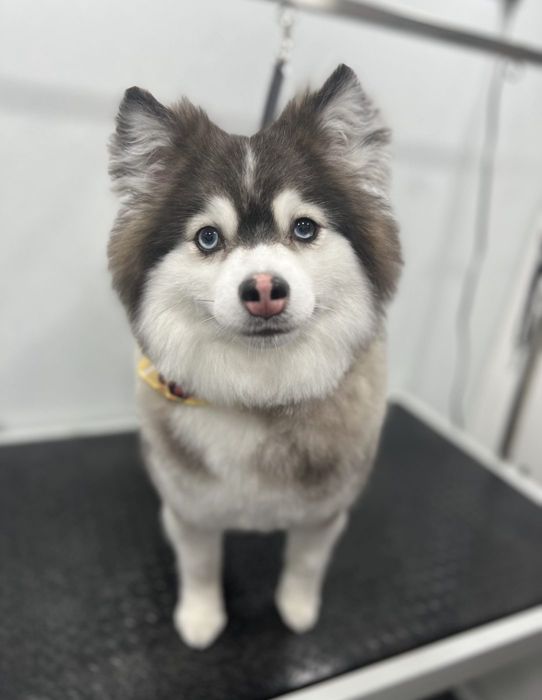
- Undercoat rake: Essential for double-coated breeds like Huskies, Goldens, and Bernese.
- Dematting comb: Use carefully for stubborn tangles. Work from the ends toward the skin, never the other way.
Bathing: Less Is Usually More
Most long-haired dogs don’t need a bath more than every three to four weeks unless they’ve rolled in something objectionable. Over-bathing strips the natural oils from their coat, leading to dry skin and a dull appearance.
Hot Spots and Common Issues
Certain areas mat faster than others. Behind the ears, under the legs, around the collar area, and along the belly are notorious tangle zones. Check these spots every time you brush, even if the rest of the coat looks fine.
Professional Grooming Schedule
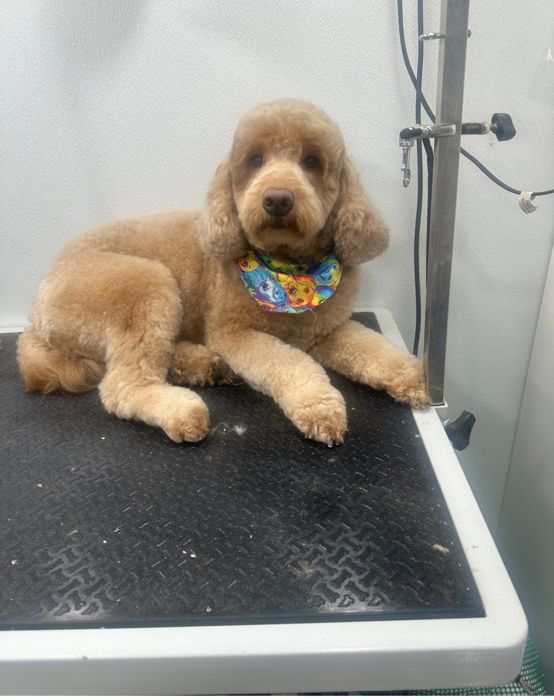
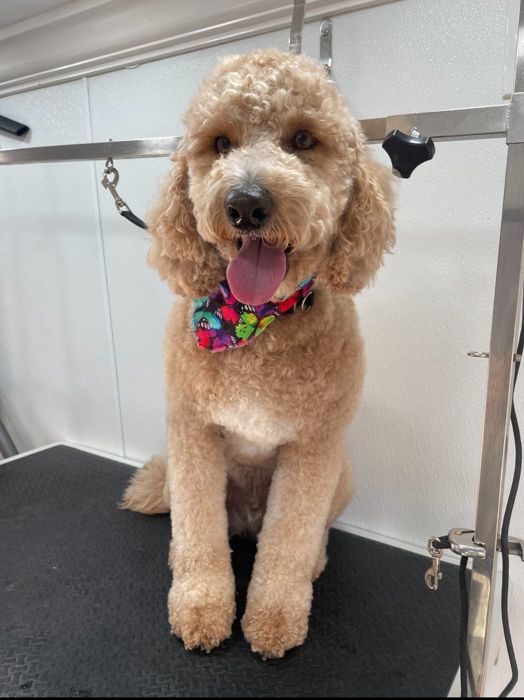
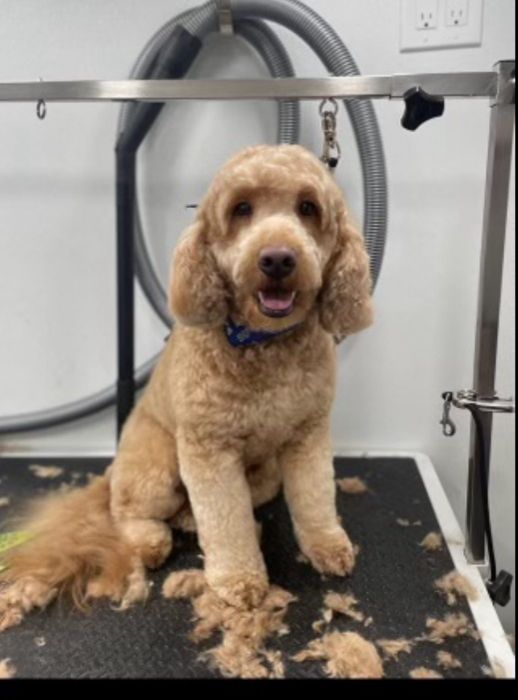
Most long-haired breeds benefit from professional grooming every four to six weeks. Some breeds — particularly those with continuously growing hair like Poodles, Doodles, and Bichons — should be on a four-week schedule to prevent coat issues from developing between visits.
Sticking to a regular schedule is easier (and cheaper) than dealing with a severely matted dog that requires a full shave-down.
